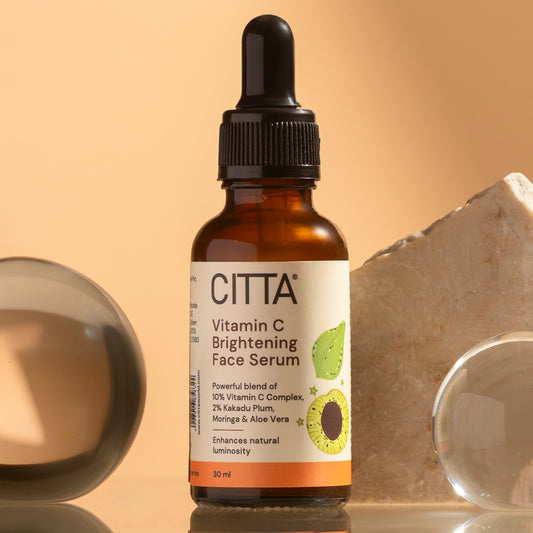
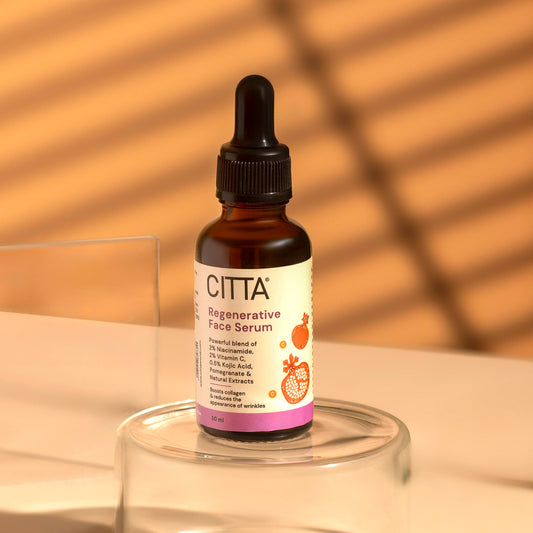
The CITTA Promise, Safety First

Toxin Free

Sulphate (SLS/SLES) Free

No Harsh Chemicals

Mineral oil-free

Paraben Free

Natural

Allergen-Free


Why Choose CITTA?
Derived from चित्त (consciousness in Sanskrit), our name CITTA embodies our core philosophy of doing everything consciously.
CITTA harnesses the pure, potent benefits of natural ingredients & enhances them with cutting-edge scientific advancements in a conscious manner. This blend ensures that our products deliver optimal results, providing your skin the best of both worlds.
With Nature’s Wisdom & Science’s Precision!
Our expert R&D team has come up with the most potent natural ingredients backed by long-established scientific practices in the form of skincare curated to address the genuine needs expressed by Indians.
It’s our way of giving back to the community that has given us so much!
So, WHY won’t you choose CITTA?







Radiance Rituals: Most-Loved
-
12% Vitamin C Serum | With Hyaluronic Acid for Brightening & Pigmentation
Triple brightening / Boosts collagen / Evens skin
Regular price Rs. 549Regular priceUnit price perRs. 0Sale price Rs. 549Anti Aging Face Serum – With Kojic Acid, Niacinamide & Vitamin C for Glow, Firmness & Youthful Skin
Reduces wrinkles / Firms skin / Revives dullness
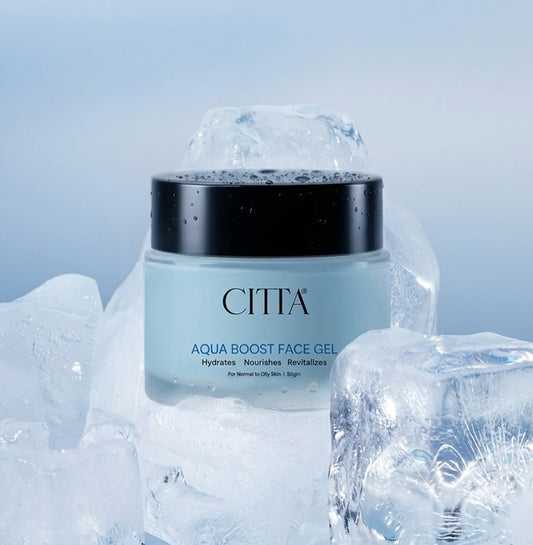
Regular price Rs. 549Regular priceUnit price perRs. 0Sale price Rs. 549Aqua Boost Face Gel | Lightweight Moisturizer with Hyaluronic Acid, Oil-Free & Non-Comedogenic for Oily Skin
India’s 1st frosted texture / 5x hydration / Matte finish
Regular price Rs. 699Regular priceUnit price perRs. 0Sale price Rs. 699Invisible Brightening Sunscreen Serum | SPF 50++++ with Rice Water, Non-Comedogenic, No Whitecast
Natural sunblock / 3 in 1 / No white cast / Watery light
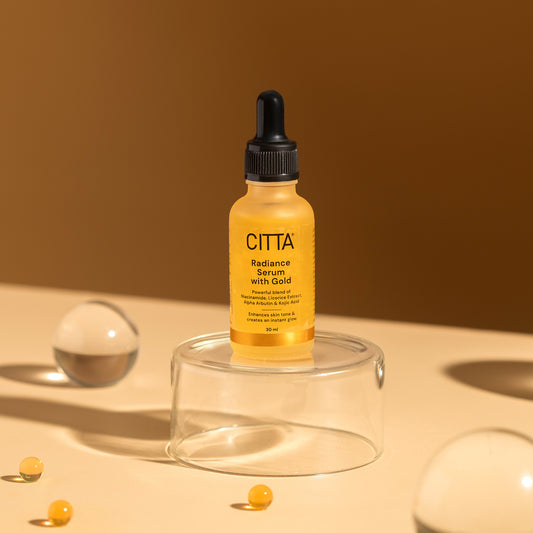
Regular price Rs. 629Regular priceUnit price perRs. 0Sale price Rs. 629Radiance Gold Serum for Face | With Niacinamide, Kojic Acid & Arbutin for Glowing, Even-Toned Skin
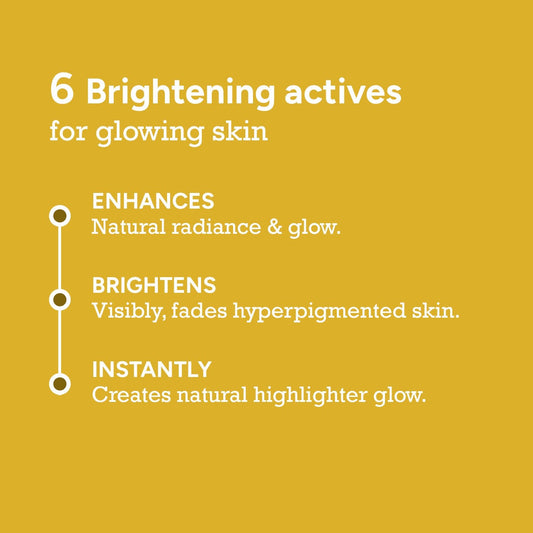
Illuminating Gold Fibers | 6 Brightening Actives | Natural Highligher Glow
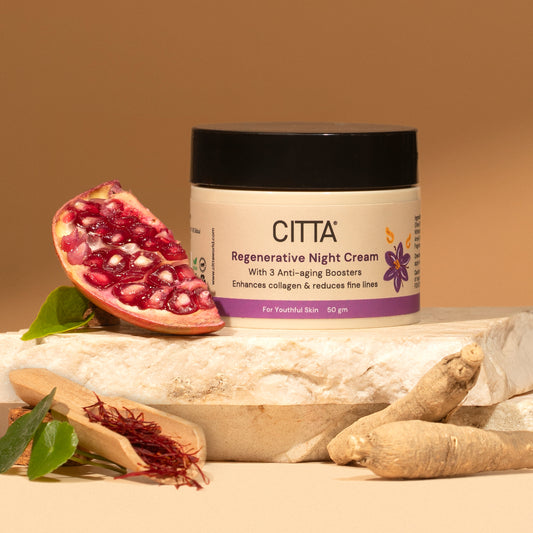
Regular price Rs. 569Regular priceUnit price perRs. 0Sale price Rs. 569Regenerative Retinol Night Cream with Kumkumadi & Cica | Anti-Aging & Brightening
Reduces lLines, Wrinkles|Firms Skin|Revives Glow
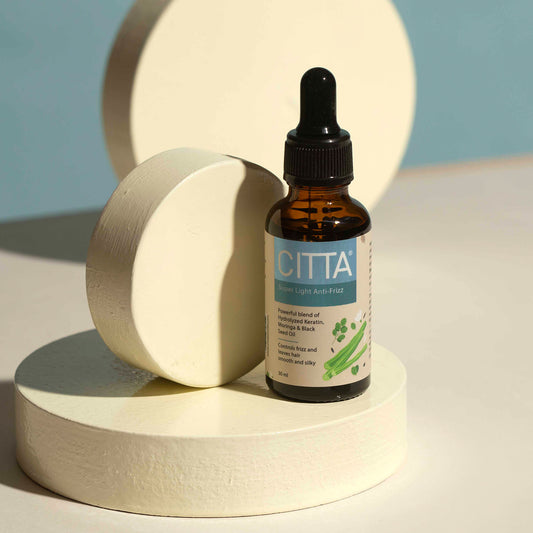
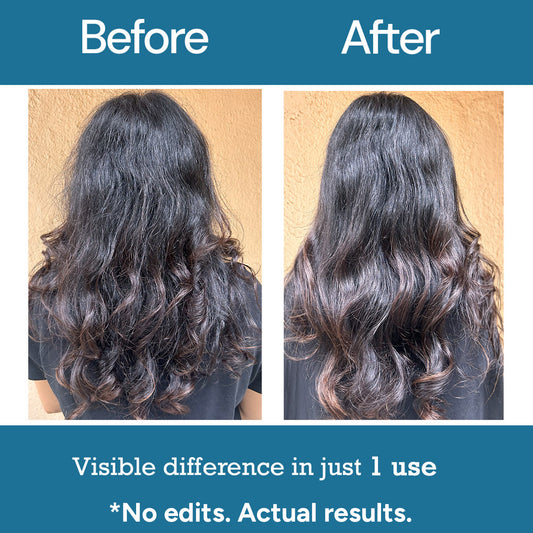
Regular price Rs. 849Regular priceUnit price perRs. 0Sale price Rs. 849Super Light Anti-Frizz Hair Serum | With Keratin for Dry Hair, Frizz Control & Instant Shine
Conditions & nourishes | Controls frizz | Leaves hair silky soft
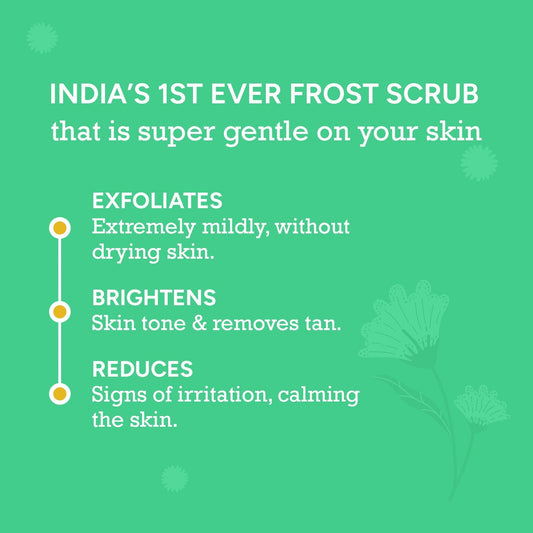
Regular price Rs. 499Regular priceUnit price perRs. 0Sale price Rs. 499Cica Face Scrub | Tan Removal, Gentle Exfoliation & a Refreshing Frosty Texture
India’s 1st ever frost scrub||Non-drying||Barrier restoration
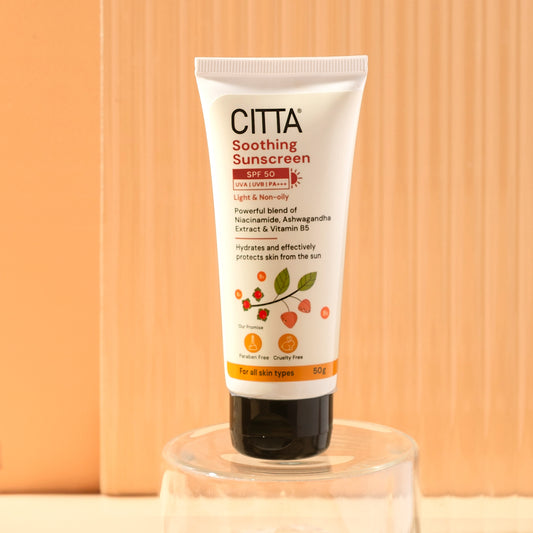
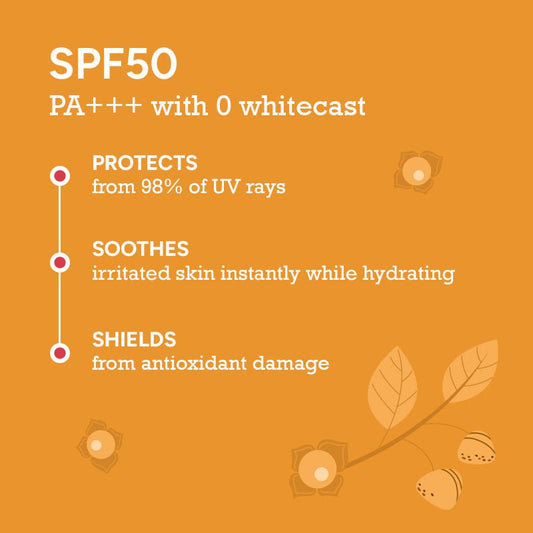
Regular price Rs. 499Regular priceUnit price perRs. 0Sale price Rs. 499Soothing Sunscreen SPF 50 PA+++ | With Niacinamide & Hyaluronic Acid | No White Cast – For Dry and Sensitive Skin
SPF 50 PA+++ | No White Cast | Non-Sticky
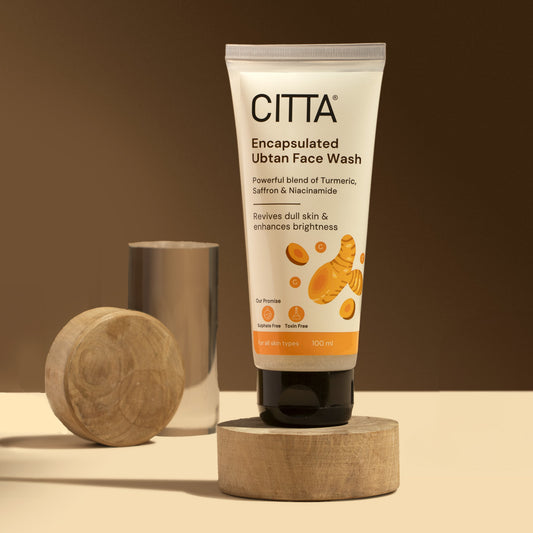
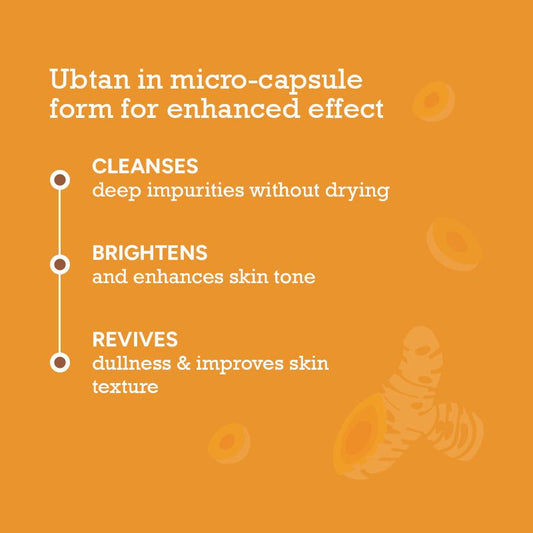
Regular price Rs. 599Regular priceUnit price perRs. 0Sale price Rs. 599Ubtan Face Wash | With Niacinamide, Saffron & Turmeric for Glow & Tan Removal
Gently Cleanses / Brightens and revives glow / Non-drying
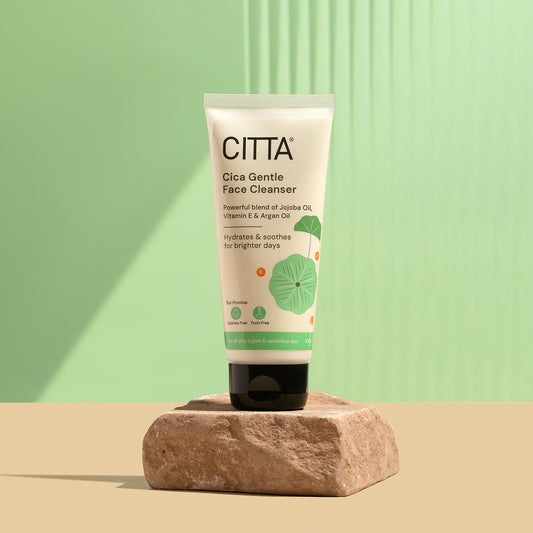
Regular price Rs. 499Regular priceUnit price perRs. 0Sale price Rs. 499Gentle Face Wash for Sensitive Skin | Cica Face Cleanser
Gently Cleanses / Brightens, Soothes Skin / Non-drying
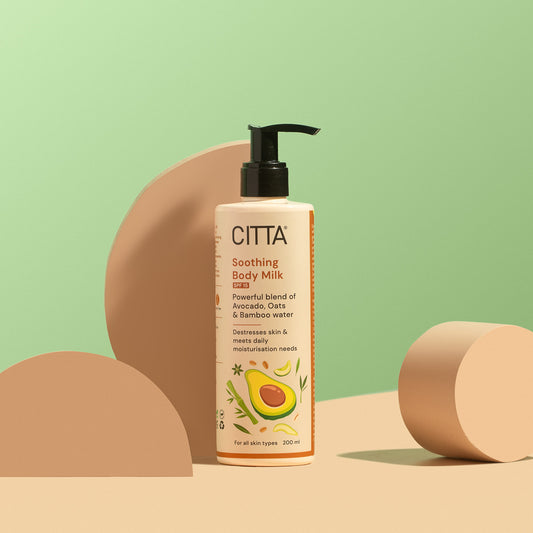
Regular price Rs. 459Regular priceUnit price perRs. 0Sale price Rs. 459Soothing Body Milk with SPF | Lightweight Body Lotion for Summer Hydration
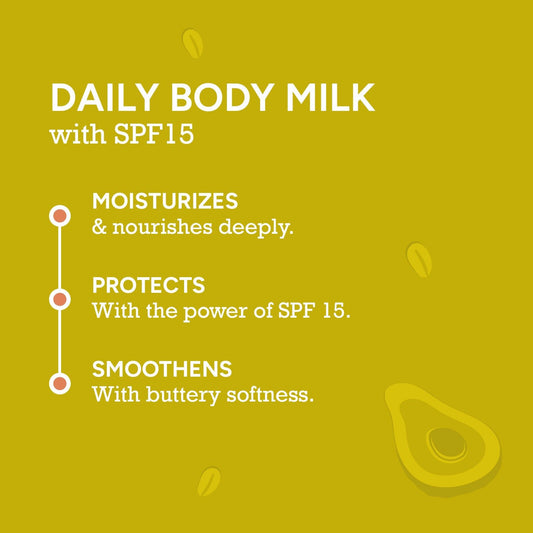
Daily Moisturization | SPF 15 | Smooth & Soft skin
Regular price Rs. 319Regular priceUnit price perRs. 0Sale price Rs. 319


Buzz Worth Talking About


Also Available at


Glow Guide: Expert Tips & Insights
-

Best Ceramide Moisturizer in India: What to Loo...
A few years ago, hardly anyone in India walked into a skincare store asking for ceramides. People looked for fairness creams. They searched for products that promised instant glow. They...
Best Ceramide Moisturizer in India: What to Look for Before You Buy
A few years ago, hardly anyone in India walked into a skincare store asking for ceramides. People looked for fairness creams. They searched for products that promised instant glow. They bought moisturizers based on fragrance, packaging, or recommendations from friends. Today, things are different. Consumers have become more curious. They read ingredient labels. They understand terms like skin barrier, hydration, and sensitivity. And increasingly, they are asking a question that would have sounded unfamiliar just a few years ago: "Which ceramide moisturizer should I buy?" It is a good question. But it is also one that creates confusion. Search for "best ceramide moisturizer in India," and you will find hundreds of products claiming to repair the skin barrier, lock in moisture, and transform dry skin. Some work beautifully. Some simply use the word "ceramide" on the label without delivering much support for the skin. And when you live in a country like India, where skin deals with heat, humidity, pollution, hard water, air conditioning, and changing seasons, choosing the right ceramide moisturizer becomes even more important. So before adding another product to your cart, here is what actually matters. First, What Exactly Are Ceramides? Imagine a brick wall. The skin cells are the bricks. Ceramides are the mortar holding those bricks together. Without enough mortar, the wall develops gaps. Water escapes. Irritants enter. The structure becomes weak. Your skin works in a similar way. Ceramides are naturally occurring lipids found in the outer layer of the skin. Their job is to help maintain a strong, healthy skin barrier. When ceramide levels are healthy, skin tends to feel: Smooth Comfortable Resilient Hydrated Less reactive When ceramide levels decline, the skin barrier can struggle to hold moisture and protect itself from external stressors. Also Read: Ceramides vs Hyaluronic Acid: Which One Does Your Skin Actually Need? Why Are More Indians Looking for Ceramide Moisturizers? Because modern lifestyles are hard on the skin. Think about a typical day. You step out into heat and pollution. Then spend hours in air conditioning. You cleanse twice a day. Maybe use active ingredients like retinol, vitamin C, or exfoliating acids. Over time, all of this can affect the skin barrier. Many people begin noticing: Persistent dryness Tightness after cleansing Increased sensitivity Flaky patches Redness Skin that never seems fully hydrated In many cases, the issue is not a lack of skincare. It is a weakened skin barrier. And that is exactly where ceramides can help. Also Read: Morning Skincare Routine for a Damaged Skin Barrier The Biggest Mistake People Make When Buying Ceramide Moisturizers Many shoppers look only for the word "ceramide" on the packaging. But that is not enough. A good ceramide moisturizer is not just about having ceramides. It is about how the entire formula works together. Think of it this way. Adding a few bricks to a damaged wall will not repair the entire structure. The supporting materials matter too. That is why dermatologists often recommend looking at the complete formulation rather than focusing on a single ingredient. What to Look for in a Ceramide Moisturizer Multiple Ceramides, Not Just One Healthy skin naturally contains different types of ceramides. Products formulated with multiple ceramides often provide more comprehensive barrier support than formulas containing just a single ceramide type. When reading ingredient lists, seeing multiple ceramides can be a positive sign. Ingredients That Support Barrier Repair Ceramides work best when paired with other skin-supporting ingredients. Look for formulas that include: Fatty acids Cholesterol Panthenol Glycerin Hyaluronic acid These ingredients help support hydration while strengthening the skin barrier. A Texture That Fits Indian Weather This is where many global skincare recommendations fall short. A rich moisturizer that works beautifully in a cold climate may feel overwhelming in Chennai during summer. Indian skin often experiences: Humidity Sweating Dust Heat Pollution The ideal ceramide moisturizer should nourish the skin without feeling excessively heavy. Finding this balance is important for long-term consistency. Fragrance and Sensitivity Considerations If your skin is already irritated or barrier-damaged, heavily fragranced products may not always feel comfortable. This does not mean fragrance is bad. It simply means sensitive skin often benefits from gentler formulations while the barrier recovers. Also Read: How to Improve Skin Barrier Strength Without Overloading Your Routine How Indian Climate Changes, What Your Skin Needs One reason skincare advice feels confusing is that India is not one climate. A person in Mumbai experiences different challenges than someone in Jaipur or Bengaluru. Summer humidity can leave skin feeling oily on the surface while still lacking hydration underneath. Winter can bring dryness and roughness. Air conditioning can quietly weaken hydration levels throughout the year. This is why modern moisturizers are increasingly designed to support both hydration and barrier repair at the same time. Consumers no longer want products that simply sit on top of the skin. They want formulas that work with the skin. Indian Ingredients Meet Modern Barrier Science Long before terms like "skin barrier" became popular, Indian skincare traditions focused on protecting and soothing the skin. Ingredients such as: White tea Aloe vera Rose water Sandalwood-inspired skincare rituals have been valued for generations because they help the skin feel calm and balanced. Today, skincare science is building on that foundation. Brands are combining traditional ingredient wisdom with clinically studied barrier-support ingredients like ceramides, panthenol, and hydrating humectants. The result is skincare that feels both modern and rooted in Indian needs. Also Read: Why Should You Be Adding Ceramides to Your Daily Skin Care Routine? A Good Example of What to Look For When evaluating ceramide moisturizers, it helps to look at products designed around barrier health rather than marketing claims. For example, the CITTA Ceramides & White Tea Moisturiser combines five ceramides with hydration-focused ingredients and white tea, creating a formula intended to support barrier repair while remaining suitable for everyday use. You can explore it here: https://cittaworld.com/products/ceramide-moisturizer-skin-barrier-repair Add to cart What makes formulations like this interesting is not simply the presence of ceramides, but the broader focus on hydration, barrier resilience, and skin comfort. That is ultimately what people should look for when choosing a ceramide moisturizer. Who Should Consider a Ceramide Moisturizer? Ceramide moisturizers may be especially useful if: Your skin feels dry even after moisturizing You use active ingredients regularly Your skin becomes irritated easily You experience seasonal dryness Your barrier feels compromised You spend long hours in air-conditioned environments Even oily skin can benefit from ceramides when the barrier needs support. The Best Ceramide Moisturizer Is Not Always the Most Expensive One Skincare marketing often suggests that higher prices mean better results. In reality, effectiveness comes down to formulation. A well-formulated moisturizer with barrier-support ingredients, skin-friendly textures, and thoughtful hydration can outperform products that rely solely on luxury positioning. The goal is not to buy the most expensive moisturizer. The goal is to choose the one your skin genuinely needs. Key Takeaways Ceramides help strengthen the skin barrier and reduce moisture loss. Barrier health has become increasingly important due to modern lifestyle and environmental stressors. Look beyond marketing claims and evaluate the complete formulation. Multiple ceramides can provide broader barrier support. Supporting ingredients like panthenol, glycerin, and hyaluronic acid can enhance effectiveness. Climate matters when choosing a moisturizer in India. Oily skin can also benefit from ceramides when the skin barrier is compromised. Consistent barrier care often produces better long-term results than chasing skincare trends. FAQs Q. What is the best ceramide moisturizer in India? The best ceramide moisturizer is one that contains multiple ceramides, barrier-supporting ingredients, and a texture suitable for your skin type and local climate. Products formulated specifically for Indian skin conditions may offer additional advantages. Q. Can ceramide moisturizers be used daily? Yes. Ceramide moisturizers are designed for daily use and can be applied both morning and night. Q. Are ceramides suitable for oily skin? Absolutely. Many modern ceramide moisturizers have lightweight textures that provide hydration without feeling greasy. Q. How long does it take to see results from a ceramide moisturizer? Many people notice improved hydration within days. Barrier repair benefits typically become more noticeable after several weeks of consistent use. Q. Can I use ceramide moisturizer with retinol? Yes. In fact, ceramides are often recommended alongside retinol because they help support the skin barrier and reduce dryness. Q. Is a ceramide moisturizer suitable for Indian summers? Yes. The key is choosing a lightweight, non-heavy formulation that hydrates without leaving a greasy finish. Q. At what age should I start using ceramides? Ceramides can be beneficial at any age, especially if you experience dryness, sensitivity, or environmental stress that affects your skin barrier.
Read More -

Ceramides vs Hyaluronic Acid: Which One Does Yo...
Walk into any skincare store today, and you'll hear the same ingredients being recommended again and again. "Hyaluronic acid for hydration." "Ceramides for skin barrier repair." At first, it sounds...
Ceramides vs Hyaluronic Acid: Which One Does Your Skin Actually Need?
Walk into any skincare store today, and you'll hear the same ingredients being recommended again and again. "Hyaluronic acid for hydration." "Ceramides for skin barrier repair." At first, it sounds simple. But then the confusion begins. If hyaluronic acid hydrates the skin and ceramides also help prevent dryness, do you need both? Is one better than the other? And if you're dealing with Indian weather, pollution, humidity, air conditioning, and long hours outdoors, which ingredient should actually be in your skincare routine? The answer is more interesting than most skincare marketing makes it seem. Because ceramides and hyaluronic acid do completely different jobs. And understanding that difference can save your skin from a lot of unnecessary product purchases. The Problem With Modern Skincare Advice A few years ago, skincare conversations focused on skin types. Today, they focus on ingredients. Consumers are constantly told to look for hyaluronic acid, ceramides, niacinamide, peptides, retinol, and countless other actives. But many people still don't know what these ingredients actually do. As a result, they often buy products because an ingredient is trending rather than because their skin genuinely needs it. The truth is that healthy skin isn't built by collecting ingredients. It's built by understanding what your skin is missing. And when it comes to hydration and barrier health, ceramides and hyaluronic acid play very different roles. Also Read: What Are Ceramides? The Unsung Heroes of Healthy Skin (Dermatologist-Approved Guide) What Is Hyaluronic Acid? Think of hyaluronic acid as a water magnet. Its primary job is to attract and hold water. Naturally present in the skin, hyaluronic acid helps maintain hydration levels and gives skin a plump, healthy appearance. When included in skincare products, it helps: Increase skin hydration Improve skin softness Reduce feelings of tightness Support a smoother appearance Give skin a fresh, hydrated look This is one reason hyaluronic acid has become so popular in India. Between hot summers, indoor air conditioning, pollution, and frequent cleansing, many people experience dehydration even when their skin looks oily. What Are Ceramides? Now imagine your skin barrier as a brick wall. The skin cells are the bricks. Ceramides are the cement holding those bricks together. Ceramides are naturally occurring lipids found in healthy skin. They help prevent moisture loss and protect the skin from external stressors. When ceramide levels become depleted, skin may start experiencing: Dryness Sensitivity Irritation Flakiness Increased water loss A weakened skin barrier This is why ceramides are often recommended for people dealing with barrier damage or chronic dryness. Also Read: Why Should You Be Adding Ceramides to Your Daily Skin Care Routine? The Biggest Difference Between Ceramides and Hyaluronic Acid A simple way to remember it: Hyaluronic acid adds water. Ceramides help keep that water from escaping. One hydrates. One protects. This distinction is especially important for Indian skin. Many people living in humid cities believe they only need hydration because the weather feels moist. But pollution, UV exposure, over-cleansing, and air conditioning can quietly weaken the skin barrier even in humid environments. In those situations, hydration alone may not be enough. Why Indian Skin Often Needs Both Indian skin faces unique environmental challenges. Every day, the skin is exposed to: Intense UV radiation Heat Humidity Pollution Dust Hard water Long hours in air-conditioned environments This combination can leave the skin both dehydrated and barrier-compromised. That is why modern skincare increasingly combines hydration ingredients and barrier-supporting ingredients together. Rather than choosing one ingredient over the other, many people benefit from using both in the same routine. Also Read: 5 Reasons I Chose CITTA Ceramides & White Tea Moisturizer Over Every Other Moisturizer When Your Skin Needs Hyaluronic Acid Your skin may benefit more from hyaluronic acid if you experience: Tightness after cleansing Dehydrated skin Dull-looking skin Oily but dehydrated skin Skin that feels uncomfortable in summer In Indian weather, lightweight hydrating products often feel more comfortable than rich creams during the day. This is why gel moisturizers containing hydration-focused ingredients have become increasingly popular. For example, the CITTA Aqua Boost Gel Face Moisturizer uses a lightweight approach that fits naturally into humid-weather routines where heavy products can feel uncomfortable. The goal isn't simply adding moisture. It's making hydration comfortable enough that people use it consistently. When Your Skin Needs Ceramides Ceramides become especially important when the skin barrier feels damaged. Common signs include: Redness Flaking Irritation Sensitivity Burning after skincare application Dry patches that don't improve with hydration alone In these situations, strengthening the barrier often becomes more important than simply adding water. Products such as the CITTA Ceramide Moisturizer Skin Barrier Repair Cream are designed around this principle by focusing on barrier support and moisture retention. This can be particularly useful for people using active ingredients like retinol or exfoliating acids. Add to cart Indian Ingredients and Modern Barrier Science One reason skincare in India is evolving so quickly is the growing balance between traditional wisdom and modern dermatological science. For generations, Indian skincare rituals relied on ingredients associated with calming and soothing the skin: Aloe vera Rose water Sandalwood-inspired care Cucumber Today, brands are combining these climate-friendly traditions with clinically studied ingredients such as: Ceramides Hyaluronic acid Niacinamide Panthenol The result is skincare designed specifically for Indian weather conditions and lifestyles. Not just global trends. Also Read: How to Increase Ceramides in Skin Naturally & Through Skincare So Which One Should You Choose? If your skin feels dehydrated but otherwise healthy, hyaluronic acid may be the ingredient you need most. If your skin feels irritated, sensitive, or damaged, ceramides may deserve priority. But for many Indian skin types, the answer isn't choosing one. It's understanding that hydration and barrier health work together. Water without a strong barrier escapes. A strong barrier without hydration can still feel dry. Healthy skin needs both. The Future of Skincare Is Not Ingredient Wars The skincare industry loves ingredient battles. Vitamin C versus niacinamide. Chemical versus mineral sunscreen. Ceramides versus hyaluronic acid. But healthy skin rarely works that way. Most skin concerns are not solved by one hero ingredient. They're solved by consistent routines, climate-appropriate products, and understanding what your skin actually needs. And for most people, the real question isn't "ceramides or hyaluronic acid?" It's whether your skin needs hydration, barrier support, or a little of both. Key Takeaways Hyaluronic acid helps attract and retain water in the skin. Ceramides help strengthen the skin barrier and reduce moisture loss. Hyaluronic acid hydrates, while ceramides protect. Indian weather can leave skin both dehydrated and barrier-compromised. Oily skin can still benefit from hydration-focused ingredients. Sensitive or damaged skin often benefits from ceramides. Many skin types perform best when both ingredients are part of the routine. Consistency matters more than chasing ingredient trends. FAQ's 1. Is ceramide better than hyaluronic acid? Neither is better. They perform different functions. Hyaluronic acid hydrates, while ceramides help maintain the skin barrier. 2. Can I use ceramides and hyaluronic acid together? Yes. In fact, many skincare experts recommend combining hydration and barrier support for balanced skin health. 3. Is hyaluronic acid good for oily skin? Yes. Hyaluronic acid provides hydration without making skin feel greasy, making it suitable for oily and combination skin. 4. Are ceramides good for acne-prone skin? Ceramides can help support a healthy skin barrier, which may be beneficial for acne-prone skin experiencing irritation or dryness. 5. Which ingredient is better for Indian summer? Many people prefer lightweight hyaluronic acid-based hydration during the day, while ceramides can help support barrier health when needed. 6. Can dehydrated skin look oily? Yes. Dehydrated skin often produces extra oil as a protective response. 7. At what age should I start using ceramides? Ceramides can be beneficial at any age, especially if the skin barrier is compromised or frequently exposed to environmental stressors. 8. Can I use ceramides every day? Yes. Ceramides are naturally found in healthy skin and are suitable for daily skincare routines. Also Read: Ceramide Moisturizer Benefits: Why Your Skin Barrier Can’t Survive Without It
Read More -

Top 5 Best Hydrating Face Gels for Oily Skin in...
Every year, Indian summers seem hotter than the last one. Temperatures cross 40 degrees. Humidity becomes unbearable. People change their clothes twice a day. And skincare suddenly starts feeling heavier...
Top 5 Best Hydrating Face Gels for Oily Skin in India (2026 Guide)
Every year, Indian summers seem hotter than the last one. Temperatures cross 40 degrees. Humidity becomes unbearable. People change their clothes twice a day. And skincare suddenly starts feeling heavier than usual. This climate shift is quietly changing Indian skincare habits too. Consumers no longer want thick, rich moisturizers that sit heavily on sweaty skin. They want lightweight hydration that feels breathable. That is exactly why hydrating face gels are dominating oily skin routines across India in 2026. Because oily skin in India is not dealing with one problem anymore. It is dealing with: Heat Sweat Pollution Humidity Dust Hard water Indoor AC dehydration all at the same time. And when skincare feels too heavy in this environment, people stop using it consistently. That is why the right face gel matters more than ever. Especially for oily skin. Why Hydrating Face Gels Work Better for Oily Skin in India Most oily skin is not actually “over moisturized.” It is often dehydrated underneath. In Indian climates, your skin loses water constantly because of: Sun exposure Indoor AC environments Sweating Harsh cleansers Pollution stress When skin lacks hydration, it frequently responds by producing even more oil. That is why many people experience: Oily forehead Tight cheeks Greasy nose Dehydrated skin barrier all at the same time. Hydrating face gels help because they deliver water-based hydration without heavy oils or thick greasy textures. And in Indian humidity, that lightweight feel matters a lot. What Makes a Good Hydrating Face Gel for Indian Skin? Not every gel moisturizer works well in Indian weather. Some feel sticky after sweating. Some dry too quickly. Some leave behind a film on oily skin. The best hydrating face gels for Indian summer usually focus on: Lightweight hydration Fast absorption Non-sticky texture Humidity-friendly feel Barrier support Comfortable layering under sunscreen Ingredients like: Hyaluronic acid Niacinamide Panthenol Aloe vera Glycerin are commonly used because they hydrate without making skin feel suffocated. And increasingly, Indian skincare brands are combining traditional cooling ingredients with modern formulation science to create products suited specifically for Indian climates. Also Read: Ceramides vs Hyaluronic Acid: Which Is Better for Skin Barrier Repair? Top 5 Best Hydrating Face Gels for Oily Skin in India (2026) 1. CITTA Aqua Boost Gel Face Moisturizer One of the biggest reasons oily skin users avoid moisturizers is texture. If a moisturizer feels heavy even once, people stop using it completely. That is where lightweight gel formulations become important. The CITTA Aqua Boost Gel Face Moisturizer works particularly well for Indian summer because it focuses on breathable hydration instead of richness. The texture absorbs quickly and layers comfortably under sunscreen, which matters a lot in humid weather. Add to cart What makes it suitable for oily Indian skin: Lightweight gel texture Comfortable in humidity Non-greasy finish Easy daytime wear Works well under sunscreen It especially fits people who want hydration without the “sweaty moisturizer” feeling many creams create during summer. 2. Neutrogena Hydro Boost Water Gel This gel moisturizer became popular because of its lightweight water-gel feel. It contains hyaluronic acid and absorbs quickly, making it suitable for oily and combination skin types. Why people like it: Cooling texture Lightweight hydration Fast absorption Comfortable layering For Indian weather, many users appreciate how breathable it feels compared to traditional cream moisturizers. 3. Minimalist Sepicalm 3% + Oat Moisturizer Although technically a lightweight cream-gel texture, this product is popular among oily and acne-prone skin users because it focuses heavily on calming irritated skin barriers. It works especially well for people dealing with: Over-exfoliation Active ingredient irritation Sensitive oily skin Redness from heat and pollution The oat-based soothing approach feels particularly relevant for stressed urban Indian skin. 4. Dot & Key 72 Hr Hydrating Gel Gel moisturizers with cooling textures have become extremely popular in India, especially among younger skincare users. This one is often preferred because it feels refreshing in hot weather and sits lightly on oily skin. Why it works for summer: Water-light feel Refreshing application Suitable for humid weather Comfortable for daytime use Many people use products like this during peak summer months when heavier creams become difficult to tolerate. 5. Plum Green Tea Oil-Free Moisturizer This moisturizer remains popular among oily and acne-prone skin users because of its lightweight texture and shine-control approach. Green tea-based formulations are often associated with calming oily skin while maintaining hydration balance. Why oily skin users prefer it: Lightweight texture Comfortable for acne-prone skin Easy daily wear Suitable for humid conditions Especially in Indian summers, lightweight oil-free moisturizers tend to feel more wearable throughout the day. Also Read: Hydrating Face Gels for Oily Skin: What Actually Works in Indian Summer Why Indian Skin Needs Lightweight Hydration More Than Ever Urban Indian skin today faces far more stress than it did a decade ago. Between: Pollution Long screen exposure Harsh summers Hard water Indoor AC Stress Overuse of active ingredients the skin barrier becomes compromised more easily. And ironically, stripping oily skin too aggressively often worsens oil production. This is why modern skincare is shifting away from harsh oil-control approaches toward balanced hydration and barrier support. Hydrating face gels fit perfectly into this shift because they hydrate without overwhelming the skin. Indian Ingredients Meet Modern Science Indian skincare traditions always valued cooling and calming ingredients for hot climates. Ingredients inspired by: Aloe vera Rose water Cucumber Sandalwood-based soothing rituals have existed in Indian beauty practices for generations. Today, modern skincare science is combining these traditional ideas with clinically studied ingredients like: Hyaluronic acid Ceramides Niacinamide Panthenol The result is skincare designed specifically for Indian weather instead of copied directly from colder global markets. And honestly, that change was necessary. How to Choose the Right Face Gel for Your Skin Choose a lightweight hydrating gel if: Your skin feels greasy quickly Cream moisturizers feel sticky Sunscreen pills easily You live in humid weather Your skin feels oily but tight You want breathable hydration But if your skin feels irritated, flaky, or barrier-damaged, sometimes richer barrier creams may still work better at night. Good skincare is less about trends and more about understanding what your skin can comfortably tolerate daily. Key Takeaways Oily skin still needs hydration, especially in Indian summer. Hydrating face gels work better in humidity because they feel lightweight and breathable. Gel moisturizers help reduce the heavy, greasy feeling common with thick creams. Ingredients like hyaluronic acid and niacinamide support balanced hydration. Indian weather makes texture extremely important in skincare. Lightweight hydration helps sunscreen layer better. Modern Indian skincare increasingly combines traditional cooling ingredients with dermatological science. Consistency matters more than overly complicated skincare routines. Also Read: What Is a Hydrating Face Gel? (And Why It Works Better in Indian Summer) FAQ’s 1. Which face gel is best for oily skin in India? Lightweight, non-sticky hydrating gels generally work best for oily skin in Indian climates. 2. Do oily skin types need moisturizer? Yes. Oily skin can still become dehydrated, especially during summer and in air-conditioned environments. 3. Why do cream moisturizers feel heavy in humidity? Heat, sweat, and excess oil production can make thick moisturizers feel sticky and uncomfortable. 4. Can hydrating face gels cause acne? Most lightweight gels are less likely to clog pores compared to heavier creams, especially for oily skin. 5. Should I use face gel before sunscreen? Yes. Hydrating gels usually layer very well under sunscreen. 6. Is hyaluronic acid good for oily skin? Yes. Hyaluronic acid helps hydrate the skin without adding heaviness or oiliness. 7. Can men use hydrating face gels? Absolutely. Hydrating gels work well for all genders, especially in hot and humid weather. 8. How often should I apply hydrating face gel? Usually twice daily, morning and night, depending on your skin’s needs and climate exposure. Also Read: Gel vs Cream Moisturizer: Why Your Moisturizer Feels Worse in Indian Humidity
Read More
- Choosing a selection results in a full page refresh.
- Opens in a new window.