The CITTA Promise, Safety First

Toxin Free

Sulphate (SLS/SLES) Free

No Harsh Chemicals

Mineral oil-free

Paraben Free

Natural

Allergen-Free


Why Choose CITTA?
Derived from चित्त (consciousness in Sanskrit), our name CITTA embodies our core philosophy of doing everything consciously.
CITTA harnesses the pure, potent benefits of natural ingredients & enhances them with cutting-edge scientific advancements in a conscious manner. This blend ensures that our products deliver optimal results, providing your skin the best of both worlds.
With Nature’s Wisdom & Science’s Precision!
Our expert R&D team has come up with the most potent natural ingredients backed by long-established scientific practices in the form of skincare curated to address the genuine needs expressed by Indians.
It’s our way of giving back to the community that has given us so much!
So, WHY won’t you choose CITTA?







Radiance Rituals: Most-Loved
-
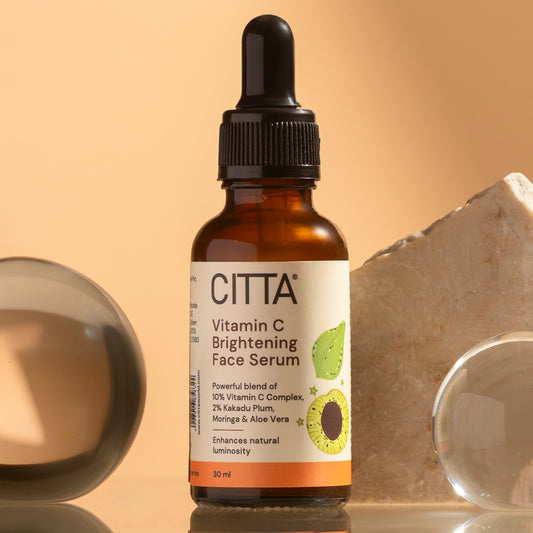
12% Vitamin C Serum | With Hyaluronic Acid for Brightening & Pigmentation
Triple brightening / Boosts collagen / Evens skin
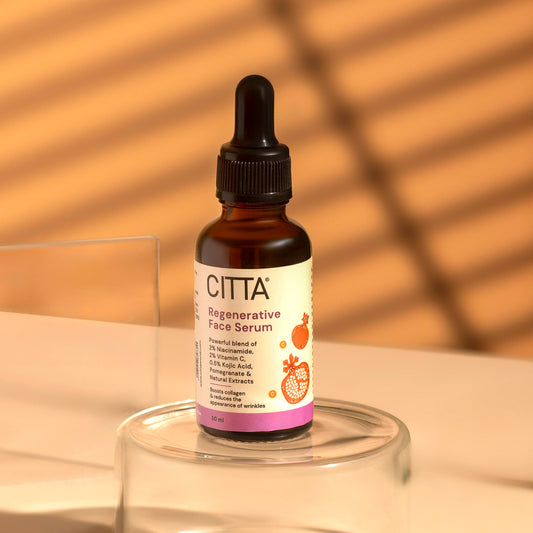
Regular price Rs. 549Regular priceUnit price perRs. 0Sale price Rs. 549Anti Aging Face Serum – With Kojic Acid, Niacinamide & Vitamin C for Glow, Firmness & Youthful Skin
Reduces wrinkles / Firms skin / Revives dullness
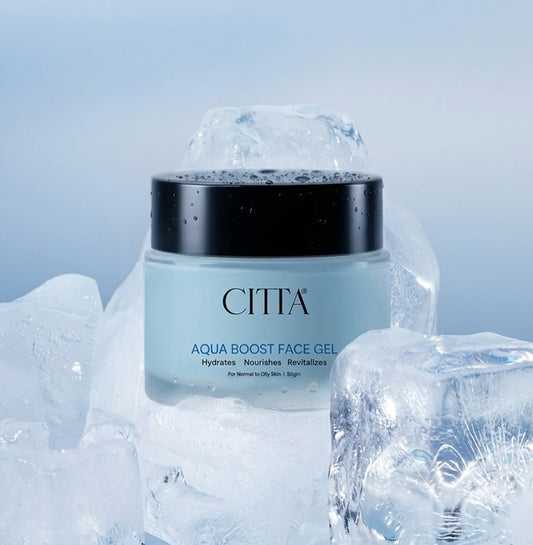
Regular price Rs. 549Regular priceUnit price perRs. 0Sale price Rs. 549Aqua Boost Face Gel | Lightweight Moisturizer with Hyaluronic Acid, Oil-Free & Non-Comedogenic for Oily Skin
India’s 1st frosted texture / 5x hydration / Matte finish
Regular price Rs. 699Regular priceUnit price perRs. 0Sale price Rs. 699Invisible Brightening Sunscreen Serum | SPF 50++++ with Rice Water, Non-Comedogenic, No Whitecast
Natural sunblock / 3 in 1 / No white cast / Watery light
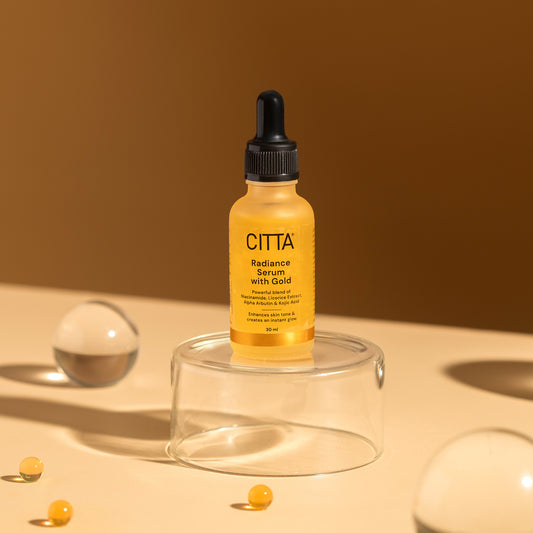
Regular price Rs. 629Regular priceUnit price perRs. 0Sale price Rs. 629Radiance Gold Serum for Face | With Niacinamide, Kojic Acid & Arbutin for Glowing, Even-Toned Skin
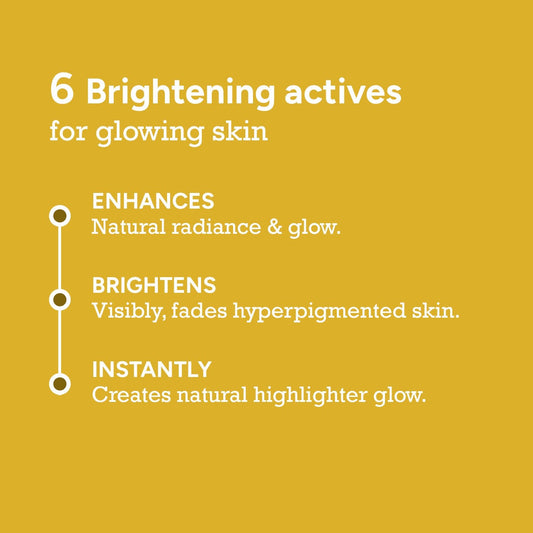
Illuminating Gold Fibers | 6 Brightening Actives | Natural Highligher Glow
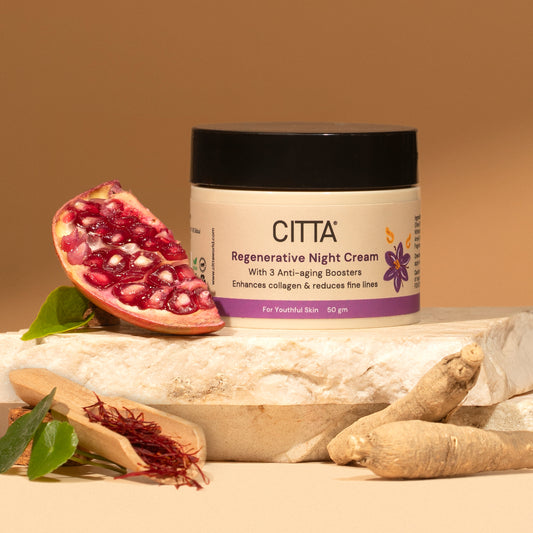
Regular price Rs. 569Regular priceUnit price perRs. 0Sale price Rs. 569Regenerative Retinol Night Cream with Kumkumadi & Cica | Anti-Aging & Brightening
Reduces lLines, Wrinkles|Firms Skin|Revives Glow
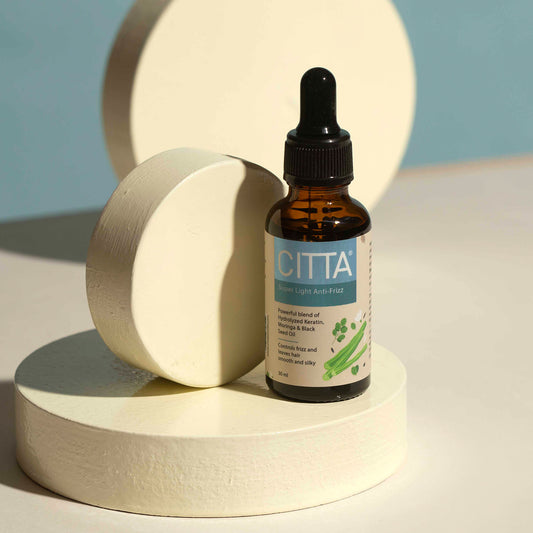
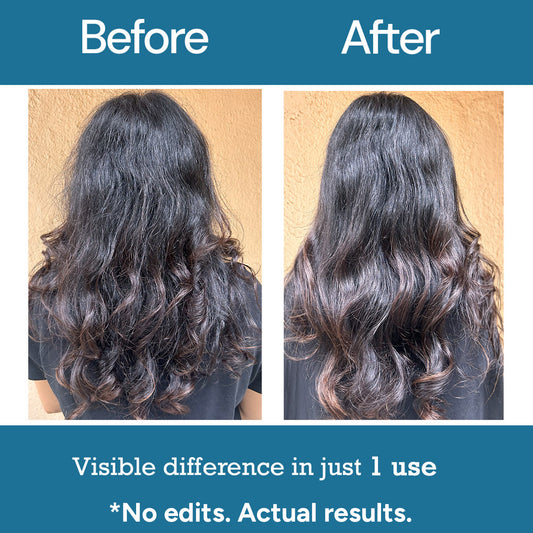
Regular price Rs. 849Regular priceUnit price perRs. 0Sale price Rs. 849Super Light Anti-Frizz Hair Serum | With Keratin for Dry Hair, Frizz Control & Instant Shine
Conditions & nourishes | Controls frizz | Leaves hair silky soft
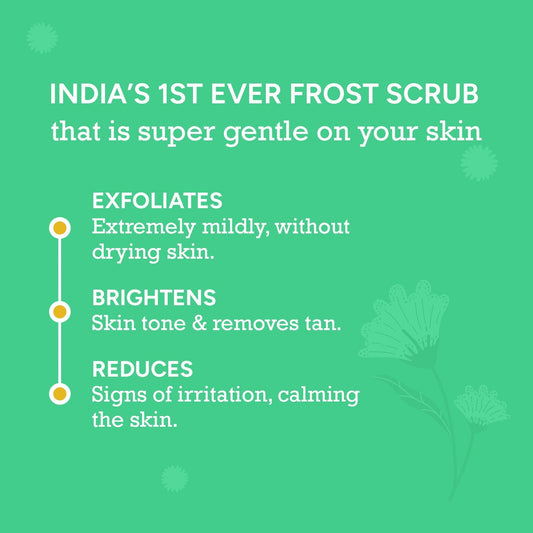
Regular price Rs. 499Regular priceUnit price perRs. 0Sale price Rs. 499Cica Face Scrub | Tan Removal, Gentle Exfoliation & a Refreshing Frosty Texture
India’s 1st ever frost scrub||Non-drying||Barrier restoration
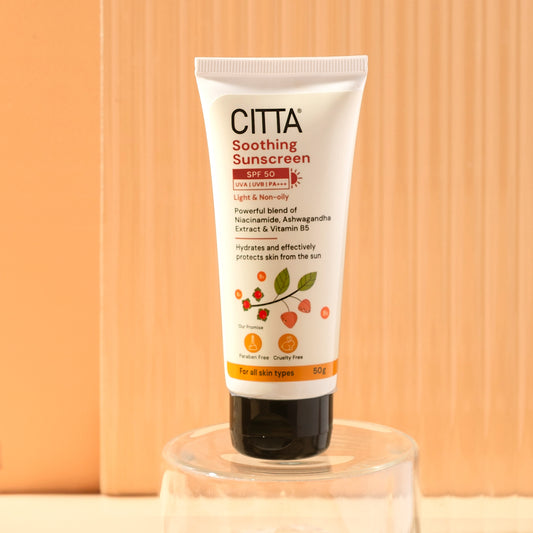
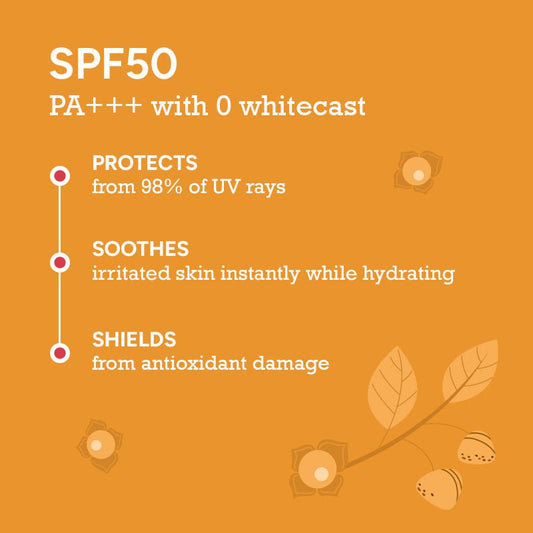
Regular price Rs. 499Regular priceUnit price perRs. 0Sale price Rs. 499Soothing Sunscreen SPF 50 PA+++ | With Niacinamide & Hyaluronic Acid | No White Cast – For Dry and Sensitive Skin
SPF 50 PA+++ | No White Cast | Non-Sticky
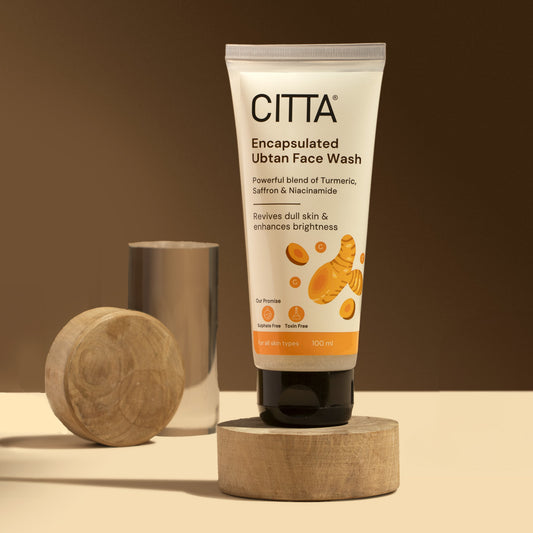
Regular price Rs. 599Regular priceUnit price perRs. 0Sale price Rs. 599Ubtan Face Wash | With Niacinamide, Saffron & Turmeric for Glow & Tan Removal
Gently Cleanses / Brightens and revives glow / Non-drying
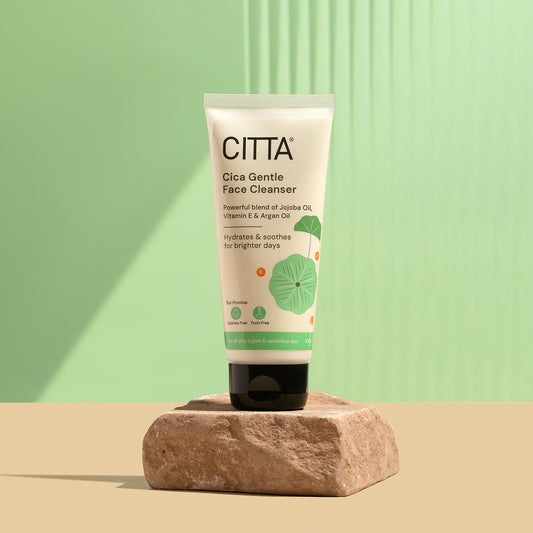
Regular price Rs. 499Regular priceUnit price perRs. 0Sale price Rs. 499Gentle Face Wash for Sensitive Skin | Cica Face Cleanser
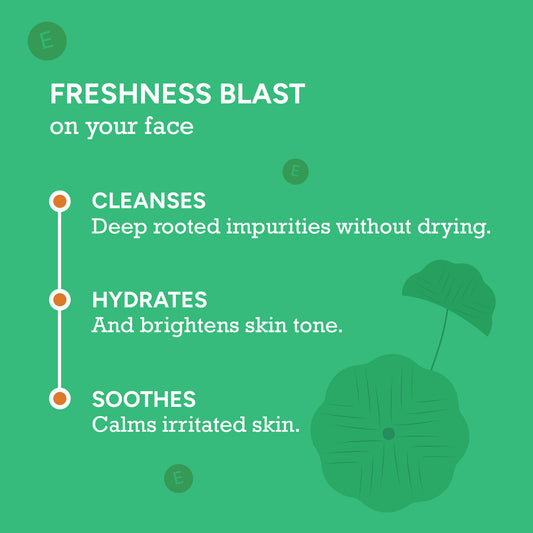
Gently Cleanses / Brightens, Soothes Skin / Non-drying
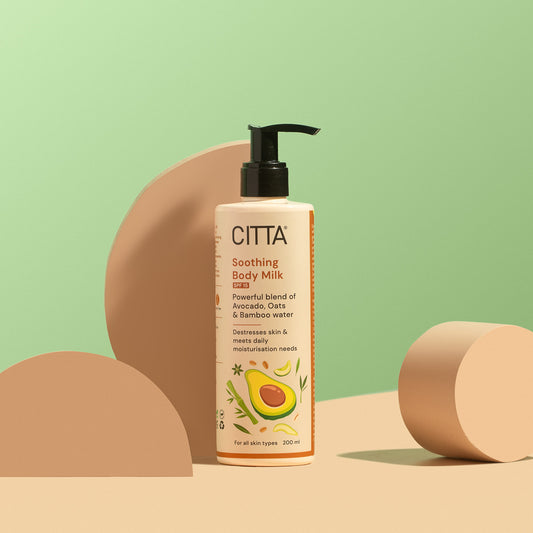
Regular price Rs. 459Regular priceUnit price perRs. 0Sale price Rs. 459Soothing Body Milk with SPF | Lightweight Body Lotion for Summer Hydration
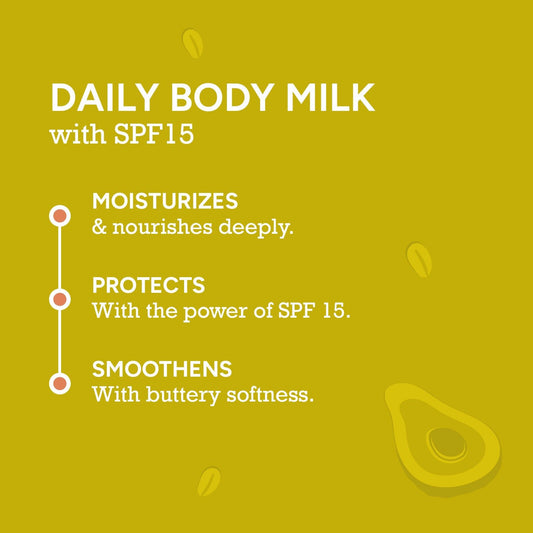
Daily Moisturization | SPF 15 | Smooth & Soft skin
Regular price Rs. 319Regular priceUnit price perRs. 0Sale price Rs. 319


Buzz Worth Talking About


Also Available at


Glow Guide: Expert Tips & Insights
-

Why Is My Skin More Oily During Monsoon? Dermat...
Riya noticed it on a Tuesday, somewhere between her second cup of chai and the third tissue blot of the morning. Outside her Andheri office window, the rain was falling...
Why Is My Skin More Oily During Monsoon? Dermatologists Explain
Riya noticed it on a Tuesday, somewhere between her second cup of chai and the third tissue blot of the morning. Outside her Andheri office window, the rain was falling in that steady, grey sheet Mumbai monsoons are known for. Inside, her T-zone looked freshly polished. She remembers thinking it did not add up. The temperature had dropped several degrees overnight. Shouldn’t her skin be calmer, not greasier? If you have asked yourself the same question while wiping your face for the fourth time before lunch, you are not imagining it, and you are definitely not alone. Dermatologists across India hear this complaint every monsoon, often from people who were perfectly comfortable with their skin just weeks earlier in the dry heat of May. The Humidity Trap Here is the part that surprises most people. Sebum production is not driven by temperature alone, it is driven by humidity, and monsoon humidity in most Indian cities sits well above 80 percent for weeks at a stretch. When the air around your skin is already saturated with moisture, sweat cannot evaporate the way it normally would. Skin reads this as a kind of internal heat signal, and the sebaceous glands respond by producing more oil to protect the surface. There is a second factor dermatologists point to just as often: the constant switching between outdoor humidity and indoor air conditioning. One minute your skin is coping with 85 percent humidity on a commute, the next it is sitting under a cold, dry AC vent at the office. This back and forth confuses the skin barrier. While trying to compensate for the dryness from AC, sebaceous glands often overcorrect once you are back in humid air, which is why so many people describe their skin as oily and dehydrated at the same time. That is not a contradiction, it is a fairly common monsoon skin pattern. Why This Hits Indian Skin Differently India’s skin types, predominantly Fitzpatrick types III to V, tend to carry more melanin and, on average, a higher density of sebaceous glands compared to lighter skin types common in temperate climates. This is not a flaw, it is simply how melanin rich skin is built, and it comes with its own advantages, including better natural protection against UV damage. But it also means the oil response during a humid season can feel more pronounced, and any resulting breakouts carry a higher risk of leaving behind dark marks, since melanin rich skin is more prone to post inflammatory hyperpigmentation. This is why dermatologists in India often advise against picking at monsoon breakouts. The oiliness will pass with the season. The dark spot left behind from picking might not, for months. There is also a regional layer to this. Someone living through Mumbai’s or Kochi’s coastal humidity is dealing with a very different monsoon than someone in Pune or Delhi, where rain arrives in bursts between dry, warm spells. Coastal cities tend to see oilier skin through most of the season, while inland cities often see it spike right after rainfall, then ease slightly until the next downpour. Knowing which pattern your own city follows helps far more than copying a generic, one size fits all routine from a video shot somewhere else entirely. Also Read: Best Ceramide Moisturizer in India: What to Look for Before You Buy The Old Remedies Were Onto Something Long before anyone used words like sebum or non comedogenic, Indian households were already managing monsoon skin in their own way. Multani mitti packs to draw out excess oil, neem for its purifying reputation, sandalwood paste to cool flushed skin, rose water as a light toner between baths. These were not random habits. They came from generations of living with exactly this kind of weather, long before air conditioning or moisturisers with ceramides existed. Modern cosmetic science has mostly validated rather than replaced this instinct. Vetiver, a root long used in Indian summers and monsoons for its cooling property, is now studied for its calming effect on skin under heat stress. Sandalwood’s traditional reputation for soothing irritated skin lines up with its mild anti-inflammatory behaviour in newer formulations. This is the space brands like CITTA tend to work in, taking ingredients Indian households already trusted and pairing them with formulation science that controls texture, stability and how a product actually behaves on skin, rather than treating heritage and lab work as opposing ideas. Building a Routine That Actually Helps A monsoon skincare routine does not need to be elaborate; it needs to be consistent. A gentle, foaming or gel cleanser twice a day removes surface oil and sweat without stripping skin, which only triggers more oil production in response. Skip the heavy creams during the day, a lightweight, water-based moisturiser is usually enough, since skin still needs hydration even when it feels oily. Sunscreen stays non-negotiable; clouds do not block UV rays, they simply make people forget to apply it. One small thing dermatologists rarely get asked about, but that genuinely matters in a humid climate, is how quickly sweat and dampness affect how fresh skin and body feel through the day, especially on mornings where you have already changed your shirt once before lunch. A lot of people quietly build a midday refresh into their routine, something light that will not feel heavy under humidity. This is usually where a well-formulated body mist earns its place, not as a fix for oily skin, but as part of staying comfortable through a long, sticky day. CITTA’s body mist range leans on notes like vetiver and rose for exactly this kind of quick reset between meetings or after a commute. None of this will stop your skin from producing more oil this season. It will, however, stop you from fighting it the wrong way, which is usually how monsoon breakouts get worse instead of better. Also Read: The Best Places to Spray Body Mist for a Long-Lasting Fragrance Key Takeaways Monsoon oiliness is driven mainly by humidity, not heat, and the AC to outdoor humidity switch makes it worse. Indian skin, with its higher melanin content and sebaceous gland density, often shows a more visible oil response and a higher risk of dark marks from picking at breakouts. Coastal and inland Indian cities experience monsoon oiliness differently, so a generic routine rarely fits every region. Traditional Indian ingredients like vetiver, sandalwood, neem and rose water have a long, sound history with monsoon skin, and current formulation science builds on that rather than discarding it. A simple, consistent routine, gentle cleansing, lightweight hydration, daily sunscreen, and a quick midday refresh, works better than aggressive oil stripping. FAQ’s 1. Why does my skin get oilier in the monsoon if the weather is cooler? Sebum production responds more to humidity than temperature. High humidity stops sweat from evaporating properly, and skin compensates by producing more oil. 2. Is oily skin in the monsoon a sign of dehydration? It can be. Many people experience oiliness and dehydration together, especially with frequent AC exposure, which is why lightweight hydration matters even on oily days. 3. Should I stop moisturising if my skin feels oily during the monsoon? No, skipping moisturiser usually backfires. A light, water-based moisturiser keeps the skin barrier balanced so it does not overproduce oil to compensate. 4. Are Indian skin types more prone to monsoon breakouts? Higher melanin content and sebaceous gland density mean Indian skin often shows a stronger oil response, and breakouts carry a higher risk of leaving dark marks if picked at. 5. Do traditional ingredients like sandalwood and vetiver actually help with monsoon skin? Yes, many of these ingredients have cooling or calming properties that align with what modern formulations now confirm, which is why they remain widely used in Indian skincare today. Also Read: Monsoon Hair Care Routine: 7 Expert Tips to Control Hair Fall, Frizz, and Breakage
Read More -

Monsoon Hair Care Routine: 7 Expert Tips to Con...
The first monsoon rain always feels magical. The smell of wet earth, a cup of hot chai, and the relief from weeks of scorching summer heat, it's a season many...
Monsoon Hair Care Routine: 7 Expert Tips to Control Hair Fall, Frizz, and Breakage
The first monsoon rain always feels magical. The smell of wet earth, a cup of hot chai, and the relief from weeks of scorching summer heat, it's a season many of us look forward to. But the excitement often fades the next morning when you look in the mirror. Your hair feels different. It refuses to stay in place, turns frizzy within minutes of stepping outside, and every wash seems to leave more strands in the drain than usual. You blame the shampoo, the water, or even stress. The truth is, your hair isn't suddenly becoming unhealthy. It's simply reacting to the dramatic rise in humidity. Monsoon changes the way your scalp and hair behave, especially in India's climate. The good news? With a few smart changes to your routine, you can control hair fall, tame frizz, and protect your hair from breakage all season long. 1. Oil the scalp before you step out, not after Most people reach for hair oil after a wash, but during the monsoon, it works better the other way around. A scalp massage with a lightweight, multi-oil blend before leaving the house creates a thin barrier that keeps excess humidity and rainwater from soaking straight into the hair shaft. Traditional oils like castor, amla, and bhringraj have been part of Indian hair rituals for generations, specifically because they nourish the follicle without making hair greasy when used in the right quantity. CITTA's Supercharged Hair Oil, which blends 21 cold-pressed oils including castor, amla, and rosemary, works well for this kind of pre-rain ritual since it absorbs without sitting heavy on the scalp. 2. Switch to a gentler, scalp-focused shampoo Stripping the scalp with harsh sulfates during monsoon does more harm than good, since an already irritated scalp barrier needs less aggression, not more. Sulfate free shampoos with anti fungal actives such as zinc pyrithione or piroctone olamine help control the dandruff and itchiness that monsoon humidity tends to trigger, while keeping natural oils intact. CITTA's Anti-Dandruff Shampoo, built around exactly these actives along with rosemary leaf oil, is the kind of formula worth keeping in the shower through the wetter months. This is one of those seasons where reading the back of the bottle matters more than the brand on the front. 3. Let hair air dry before tying it up Tying wet hair into a bun or braid right after a wash, which is tempting when rushing out in the rain, weakens the hair shaft at the point where it is tied. Wet hair is at its most fragile, and the friction from hair ties or pins on damp strands is a quiet but consistent cause of breakage. Give hair at least twenty minutes of air time, or a gentle pass with a microfiber towel, before tying it back. 4. Deep condition once a week, without skipping it Frizz is essentially a hydration and protein imbalance on the hair shaft, and monsoon makes that imbalance worse by constantly altering how much moisture hair is absorbing from the air. A weekly deep conditioning session, ideally with ingredients like argan oil and aloe vera that smooth the cuticle rather than just coat it temporarily, helps hair hold its shape better between washes. CITTA's Deep Conditioning Hair Mask, built around argan oil and goji berry extract, is designed for exactly this kind of weekly reset. Also Read: How to Prevent Hair Fall in Monsoon with Simple Diet & Care Hacks 5. Treat the ends with a lightweight anti-frizz serum Once hair is towel dried, a few drops of an anti-frizz serum on the mid-lengths and ends seals the cuticle and adds a layer of protection against the day's humidity. The trick is choosing something featherweight, since a heavy serum in monsoon weather only adds limp, oily looking strands to the frizz problem already being solved. CITTA's Super Light Anti-Frizz Hair Serum is formulated to do this without weighing hair down, which matters a lot when stepping out into eighty percent humidity. 6. Pay attention if shedding feels like more than usual Some monsoon hair fall is completely normal and tied to seasonal shedding cycles that most people experience even outside the rains. But visibly thinning partings or noticeable clumps of hair on the pillow are worth addressing with a targeted hair growth serum rather than waiting it out. Ingredients like Redensyl and Anagain have reasonable clinical backing for supporting hair density when used consistently, which is the basis of CITTA's Hair Growth Serum. Consistency matters more than the brand here, results from any serum with these actives typically show up over six to eight weeks, not overnight. Add to cart 7. Keep the scalp dry and hair covered when possible This sounds obvious but gets ignored constantly. Walking around with a damp scalp for hours, whether from rain or sweat under a helmet, is one of the biggest contributors to monsoon scalp infections. Carrying a light scarf or a foldable umbrella, and drying the scalp properly the moment one gets indoors, goes a long way. And while this is about hair, plenty of people also like keeping a quick freshening ritual on hand for days when the commute leaves them feeling sticky and rained on. CITTA's range of body mists, which sit light rather than cloying, has become something of a quiet staple in a lot of monsoon bags for exactly that reason. Monsoon hair care, at the end of it, is less about chasing dramatic transformation and more about consistency through a season that genuinely works against your hair. The encouraging part is that Indian haircare has spent years studying exactly this problem, pairing ingredients people have trusted for generations with actives that have actual clinical data behind them. That combination tends to outperform either approach used alone. Also Read: The Ultimate Monsoon Hair Care Routine: How to Control Frizz, Dandruff & Hair Fall Key Takeaways Indian hair absorbs humidity quickly because of its thicker, denser structure, which is why frizz spikes specifically during the monsoon. Oiling before stepping out, not just after a wash, helps create a barrier against rainwater and humidity. A gentler, anti-fungal shampoo matters more in monsoon than the rest of the year because scalp irritation is more common. Never tie wet hair tightly, since damp strands are at their weakest and most prone to breakage. Weekly deep conditioning and a lightweight anti-frizz serum work together to manage the hydration imbalance monsoon creates. Visible thinning, beyond normal seasonal shedding, is worth addressing early with a targeted growth serum. Keeping the scalp dry between bouts of rain exposure is one of the simplest ways to prevent monsoon dandruff and infections. FAQ's 1. Why does hair fall increase specifically during the monsoon? Humidity causes the hair shaft to absorb excess moisture, weakening its structure, while a damp scalp environment supports fungal and bacterial growth that can lead to increased shedding. 2. Is monsoon hair fall permanent? No, most monsoon-related hair fall is seasonal and reduces once humidity levels drop, provided the scalp is kept clean and the hair is not subjected to additional damage like tight hairstyles or harsh products. 3. Can oiling hair before rain actually help? Yes, a light coat of oil on the scalp and hair can act as a barrier, reducing how much rainwater and ambient moisture the hair shaft absorbs, which in turn limits frizz and swelling of the cuticle. 4. How often should hair be washed during the monsoon? This depends on hair and scalp type, but most people benefit from washing every alternate day with a gentle, sulfate-free shampoo to remove sweat and humidity buildup without over stripping natural oils. 5. What is the biggest mistake people make with monsoon hair care? Skipping oil because hair already feels humid, and tying hair up wet right after a wash. Both end up increasing frizz and breakage rather than preventing it. Also Read: The Best Places to Spray Body Mist for a Long-Lasting Fragrance
Read More -

The Best Places to Spray Body Mist for a Long-L...
Meera used to spray her perfume on her wrists every single morning, rub them together the way she'd watched her mother do for years, and walk out the door feeling...
The Best Places to Spray Body Mist for a Long-Lasting Fragrance
Meera used to spray her perfume on her wrists every single morning, rub them together the way she'd watched her mother do for years, and walk out the door feeling fresh. By the time she reached her desk, barely two hours later, the fragrance had quietly disappeared, leaving her wondering if the bottle she'd spent good money on simply wasn't strong enough. The truth had very little to do with the strength of her perfume and almost everything to do with where, and how, she was applying it. Most of us never really stop to think about this. We assume a fragrance fades because it's "weak" or because the brand used cheap ingredients. But fragrance, especially in a country like India, behaves very differently depending on the surface it sits on, the heat in the air, and how much moisture that air is carrying. Once you understand that, you stop chasing stronger bottles and start using the one you already own, smarter. Why Fragrance Fades Faster in India India isn't one climate, it's several stitched together. A body mist that lasts six hours in Shimla might barely survive ninety minutes in Chennai during peak summer. Heat speeds up evaporation, and humidity changes how scent molecules sit on the skin. In drier months, fragrance tends to sit closer to the skin and fade quietly. In humid, sweaty months, the top notes (the citrusy, light, immediately noticeable parts of a fragrance) burn off almost instantly, while heavier notes like sandalwood or musk can either deepen beautifully or turn slightly off if the formula wasn't built with this kind of weather in mind. This is also where Indian skin plays its own role. Skin that runs oilier, which is common across much of India for a good part of the year, actually holds fragrance longer than dry skin, because natural oils slow down evaporation. So if you've ever felt like your mist disappears faster in winter than in the monsoon, you're not imagining it. Your skin chemistry is genuinely behaving differently. The Pulse Point Rule, and Why It Actually Works There's a reason your grandmother told you to dab attar behind your ears and on your wrists instead of all over your clothes. Pulse points, the inner wrists, the base of the throat, behind the ears, the inside of the elbows, and even behind the knees, sit close to blood vessels. That means there's slightly more warmth radiating from these spots. Warmth helps fragrance diffuse into the air around you instead of just clinging flatly to fabric or skin. So when you spray body mist only on your clothes (a habit many of us picked up because it feels "safer" or less messy), you're actually working against the science. Fabric doesn't carry body heat the way skin does, so the scent sits there statically instead of lifting and moving with you. A simple sequence that works well, especially in Indian conditions: spray on the inner elbows, the base of the neck, and behind the knees right after a shower while the skin is still slightly damp. Damp skin holds fragrance molecules far better than dry skin, almost like how a damp sponge absorbs more than a dry one. Hair, surprisingly, is another excellent carrier. A light mist through dry strands (never onto wet hair, since alcohol content can dry it out) carries scent beautifully through the day because hair moves and releases fragrance with every motion. Also Read: Are You Applying Body Mist Correctly? Most People Get It Wrong Where Indian Ingredients Meet Modern Science This is the part that often gets ignored. India has one of the oldest fragrance traditions in the world. Attars made from rose, sandalwood, jasmine, and vetiver (locally known as khus) weren't just chosen because they smelled good. They were chosen because they're natural fixatives, meaning they help a scent cling to skin longer instead of evaporating in one go. Vetiver in particular has cooled people through Indian summers for generations, used in everything from perfumes to woven door screens. What modern science has added isn't a replacement for these ingredients, but a better way to use them. Techniques like microencapsulation trap fragrance molecules in tiny capsules that release slowly over hours, rather than all at once. This matters enormously in Indian heat, where a fragrance that releases everything in the first twenty minutes leaves you with nothing by lunchtime. Pairing traditional botanicals like sandalwood and rose with this kind of slow-release science is exactly the direction newer Indian fragrance brands have started moving toward. This is something CITTA has actually built its body mist formulations around, blending familiar Indian ingredients with low-alcohol, skin-friendly bases designed to hold up against heat and humidity rather than evaporate within the hour. If you're curious about how this plays out in actual bottles, their body mist collection is worth a look, less as a product pitch and more as a reference point for what climate-conscious fragrance formulation can look like. A Few Habits That Quietly Extend Wear Time Layering matters more than people realize. A fragrance applied over an unscented or lightly scented body lotion lasts noticeably longer than one sprayed onto bare, dry skin. The lotion acts like a base coat, giving the mist something to hold onto. Distance matters too. Spraying too close turns mist into a wet patch that evaporates quickly, while holding the bottle about six inches away lets it settle as a fine layer across the skin instead. And reapplication isn't a sign that a fragrance has failed. In Indian weather, especially between March and September, even well-formulated mists benefit from a light top-up by early afternoon. Carrying a travel-size bottle isn't excessive, it's just realistic. Also Read: What Is a Body Mist? And Why Is Everyone Switching From Perfumes? Key Takeaways Pulse points like wrists, neck, behind the ears, and behind the knees help fragrance diffuse better because of natural body warmth. Indian humidity and heat speed up evaporation, especially of light, citrusy top notes. Oily skin holds fragrance longer than dry skin, which is why scent behaves differently across Indian seasons. Damp skin right after a shower absorbs fragrance better than dry skin. Traditional Indian ingredients like sandalwood, rose, and vetiver work as natural fixatives, and modern techniques like microencapsulation help them last even longer. Layering over an unscented lotion and spraying from a slight distance both improve staying power. FAQ's 1. Why does my body mist not last as long in summer? Heat accelerates evaporation, and the lighter top notes in most fragrances burn off fastest in high temperatures. This is more noticeable with body mists since they typically have a lower fragrance concentration than perfumes or EDPs. 2. Is it better to spray on skin or clothes? Skin, especially pulse points, generally works better because body warmth helps the fragrance diffuse. Clothes hold scent statically and can sometimes develop a slightly different smell over time due to fabric interaction. 3. Does oily skin really hold fragrance longer? Yes. Natural skin oils slow down the evaporation of fragrance molecules, which is part of why the same mist can feel like it lasts longer in humid months compared to dry winter skin. 4. Are Indian ingredients like sandalwood and vetiver actually better for hot climates? They've been used for generations specifically because they perform well in heat, acting as natural fixatives and offering a cooling sensory association, which is one reason many newer Indian fragrance formulations lean on them. 5. How often should I reapply body mist in Indian weather? For most people, a light reapplication every four to five hours during hot, humid months helps maintain a consistent fragrance without overdoing it. 6. Can I spray body mist directly onto wet hair? It's best avoided. Alcohol content in most mists can dry out wet hair. Dry hair, on the other hand, carries fragrance well and releases it gradually through movement. Also Read: Are You Applying Body Mist Correctly? Most People Get It Wrong
Read More
- Choosing a selection results in a full page refresh.
- Opens in a new window.