The CITTA Promise, Safety First

No Harsh Chemicals

Mineral Oil Free

Paraben Free

IFRA Certified

Sulphate Free

Allregen Free

Toxin Free
Our Bestsellers
-
Natural Baby Moisturizer Balm for Dry, Sensitive Skin
India’s first-ever ‘moisturizing baby balm’ | Heavy-duty moisturizer | Fights dryness & flakiness | For dry, very dry & flaky skin
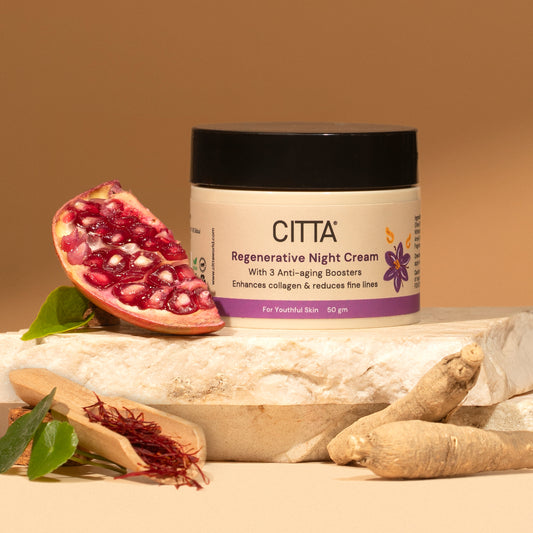
Regular price Rs. 1,099Regular priceUnit price perRs. 1,099Sale price Rs. 1,099Regenerative Retinol Night Cream with Kumkumadi & Cica | Anti-Aging & Brightening
Reduces lLines, Wrinkles|Firms Skin|Revives Glow
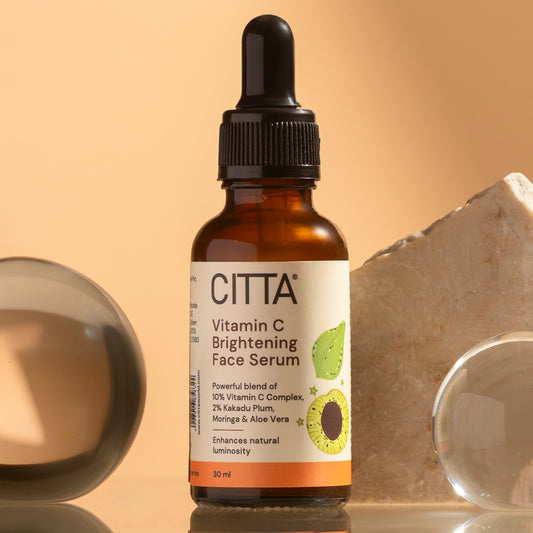
Regular price Rs. 849Regular priceUnit price perRs. 0Sale price Rs. 84912% Vitamin C Serum | With Hyaluronic Acid for Brightening & Pigmentation
Triple brightening / Boosts collagen / Evens skin
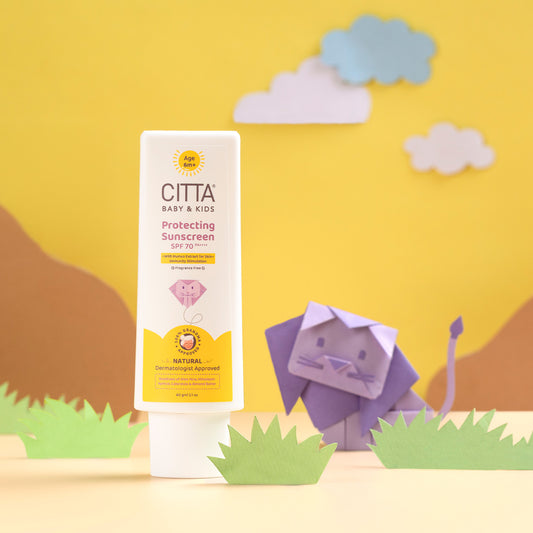
Regular price Rs. 549Regular priceUnit price perRs. 0Sale price Rs. 549SPF 70 PA++++ Sunscreen Lotion for Babies & Kids
Protects against UVA & UVB rays | Prevents sunburns | Intensely moisturizes | Stimulates skin immunity
Regular price Rs. 849Regular priceUnit price perRs. 849Sale price Rs. 849Skin Care (New Launch)
-
Regenerative Retinol Night Cream with Kumkumadi & Cica | Anti-Aging & Brightening
Reduces lLines, Wrinkles|Firms Skin|Revives Glow
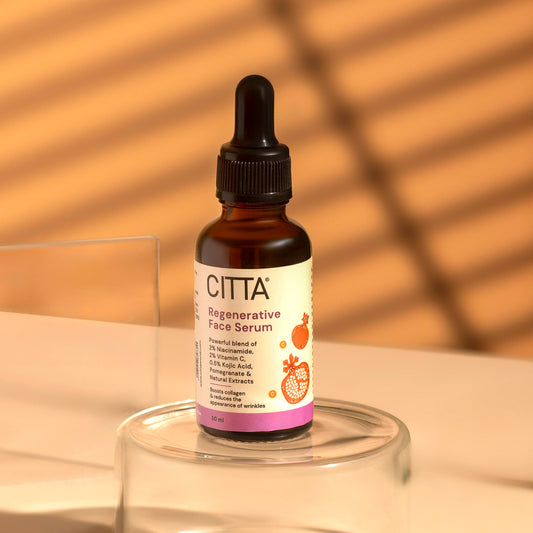
Regular price Rs. 849Regular priceUnit price perRs. 0Sale price Rs. 849Anti Aging Face Serum – With Kojic Acid, Niacinamide & Vitamin C for Glow, Firmness & Youthful Skin
Reduces wrinkles / Firms skin / Revives dullness
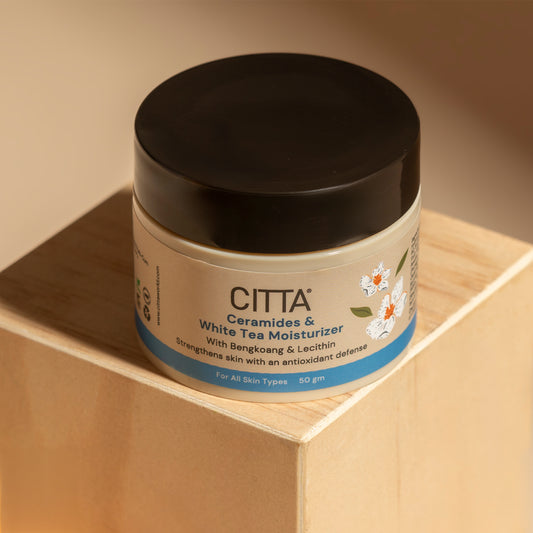
Regular price Rs. 549Regular priceUnit price perRs. 0Sale price Rs. 549Ceramides & White Tea Moisturiser | Barrier Repair with 5 Ceramides + Natural Glow Boost
Repair's Skin Barrier | Deep Moisturization | Rich Antioxidant Protection |
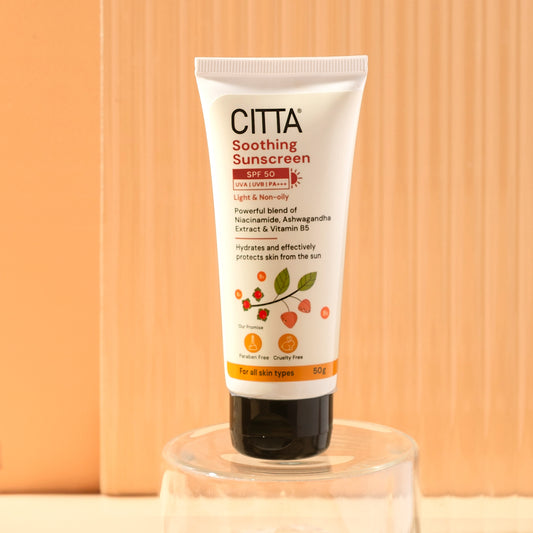
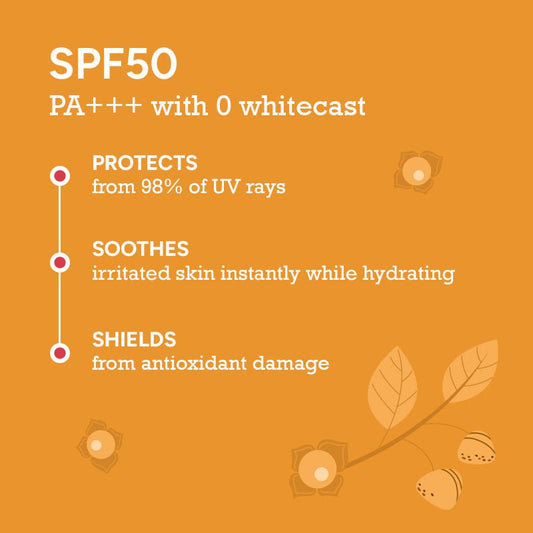
Regular price Rs. 849Regular priceUnit price perRs. 0Sale price Rs. 849Soothing Sunscreen SPF 50 PA+++ | With Niacinamide & Hyaluronic Acid | No White Cast – For Dry and Sensitive Skin
SPF 50 PA+++ | No White Cast | Non-Sticky
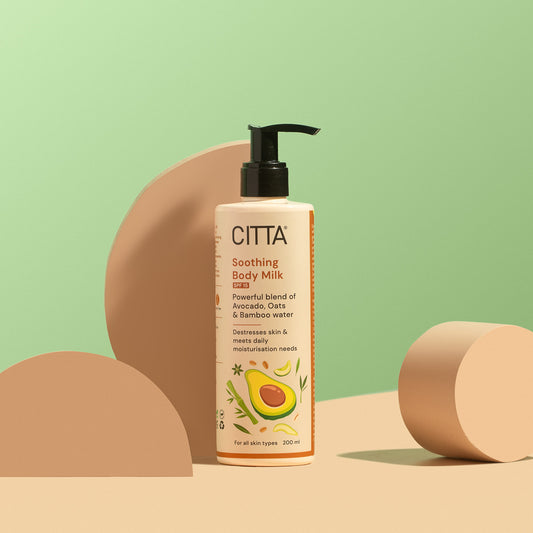
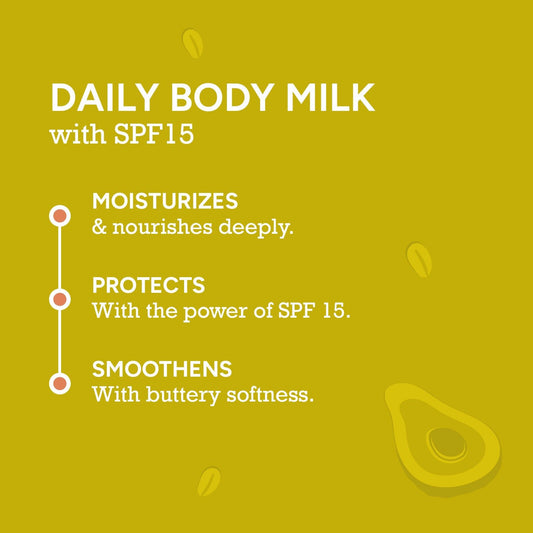
Regular price Rs. 599Regular priceUnit price perRs. 0Sale price Rs. 599Soothing Body Milk with SPF | Lightweight Body Lotion for Summer Hydration
Daily Moisturization | SPF 15 | Smooth & Soft skin
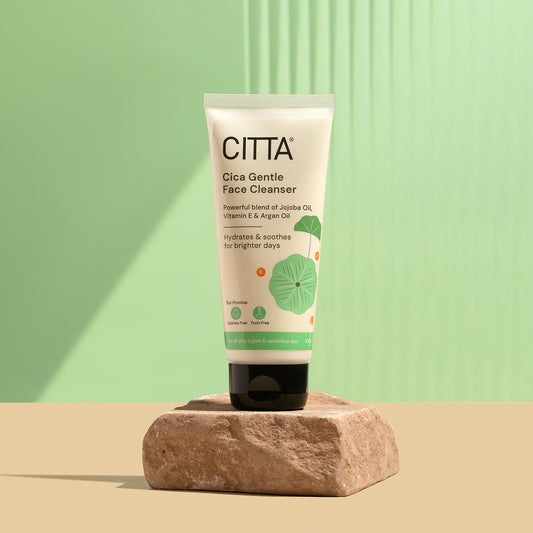
Regular price Rs. 319Regular priceUnit price perRs. 0Sale price Rs. 319Gentle Face Wash for Sensitive Skin | Cica Face Cleanser
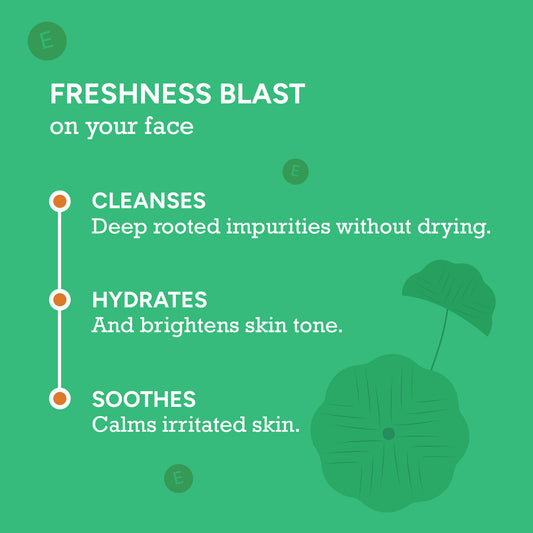
Gently Cleanses / Brightens, Soothes Skin / Non-drying
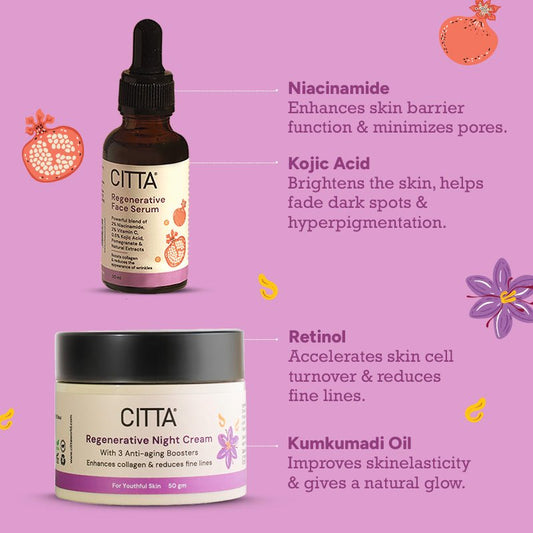
Regular price Rs. 459Regular priceUnit price perRs. 0Sale price Rs. 459CITTA Regenerative Face Serum & Night Cream Combo
Reduces fine lines | Firms skin | Fades dark spots & hyperpigmentation
Regular price Rs. 973Regular priceUnit price perRs. 1,298Sale price Rs. 973

Why Choose CITTA?
At CITTA, we’ve got everything your little one’s skin could ever need
And then some!
Safety? Absolutely.
100% transparency? You bet.
Innovative skincare solutions? Of course!
And the best part? Everything we do is rooted in dadi nani ke nuskhe, those time-tested remedies passed down through generations which are tested and approved by dermatologists. read more


Most-Loved Baby Must-Haves!

-
12% Vitamin C Serum | With Hyaluronic Acid for Brightening & Pigmentation
Triple brightening / Boosts collagen / Evens skin
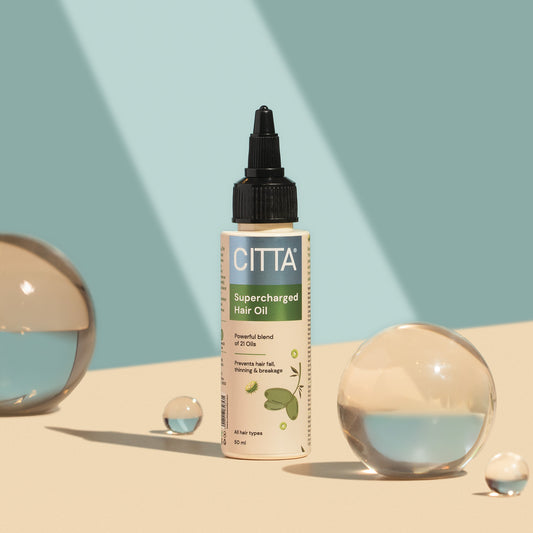
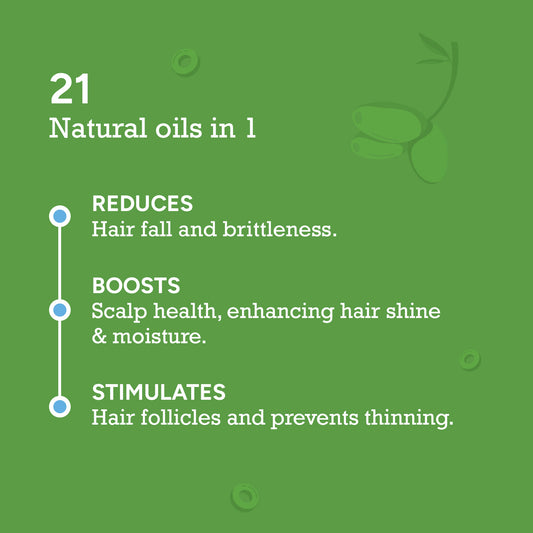
Regular price Rs. 549Regular priceUnit price perRs. 0Sale price Rs. 54921-in-1 Supercharged Hair Oil | Amla, Bhringraj & Olive for Hair Growth & Hair Fall Control – with Scalp Applicator
Strengthens & repairs | Promotes growth | Boosts scalp health
Regular price Rs. 293Regular priceUnit price perRs. 0Sale price Rs. 293Acne Evolution Barrier Face Wash
With Dual Acids (Salicylic + TeraCeutic), Ceramides & Niacinamide
Regular price Rs. 499Regular priceUnit price perAcne Evolution Multi-Action Serum
With Dual Acids (Salicylic + TeraCeutic), Niacinamide, Ceramides, Glutathione
Regular price Rs. 699Regular priceUnit price perWhispers of a Mother’s Heart
"My daughter has been using CITTA since birth, and now there is no going back. The moisturising baby balm has been more than perfect for us. This is a must-have product if your baby has dry skin and rashes."

Smita P.

"To all the moms out there, I would highly recommend this product as it keeps my baby's skin supple and retains moisture, even after the bath. My girl's Paediatrician has also suggested continuing with other CITTA products."

Ananya N.
"It has all the oils like sesame, olive, coconut, almond, etc, I am happy as it helps in nourishment, is non-sticky free from fragrance. Love this.."

Rohini G.
This baby bath set prevents dryness and irritation and cleanse gently. Nice product

Nayan T.
Buzz Worth Talking About


From Our Experts to You
 February 9, 2024
The Delicate Balance of Children's Skin: Why Adult Skincare Isn't Suitable
Read More February 9, 2024
The Delicate Balance of Children's Skin: Why Adult Skincare Isn't Suitable
Read More February 9, 2024
The Delicate Balance of Children's Skin: Why Adult Skincare Isn't Suitable
Read MoreAlso Available at


Parenting Wisdom 101
-

Baby Skin Care Tips Every New Parent Should Know
There’s nothing softer, purer, or more precious than your baby’s skin. But that also means it’s more delicate and vulnerable - to dryness, rashes, and irritation. As new parents, you...
Baby Skin Care Tips Every New Parent Should Know
There’s nothing softer, purer, or more precious than your baby’s skin. But that also means it’s more delicate and vulnerable - to dryness, rashes, and irritation. As new parents, you want to give your baby the gentlest care possible - something safe, effective, and inspired by the wisdom of generations. At CITTA, we believe that baby skincare should be a mindful ritual - rooted in dadi-nani ke nuskhe, yet perfected with modern dermatological science. Here’s your dermatologist-approved guide to understanding, protecting, and nourishing your little one’s skin naturally. 1. Understand Your Baby’s Skin A newborn’s skin is thinner and more sensitive than an adult’s, making it prone to dryness and irritation. Their skin barrier is still developing, so using gentle, chemical-free, and pH-balanced products is essential. CITTA Tip: Choose products that are free from parabens, sulfates, silicones, and synthetic fragrances.Try: CITTA Natural Foaming Baby Wash - made with Coconut Oil, Aloe Vera, and Rice Protein, this gentle cleanser maintains skin’s natural pH while preventing rashes and dryness. 2. Moisturize Daily - The Secret to Rash-Free, Baby-Soft Skin Moisturizing is the most crucial baby skin care step. A rich, oil-based formula helps lock in hydration and strengthen the skin barrier. CITTA Tip: Always apply moisturizer right after bathing to seal in moisture.Try: CITTA Natural Moisturizing Baby Balm - a luxurious blend of 7 natural oils, Shea Butter, and Vitamin E that keeps your baby’s skin soft, rash-free, and nourished all day. 3. Choose the Right Bath Routine Your baby’s skin is delicate and loses moisture quickly. Keep bath time short - around 5 to 10 minutes, and use only lukewarm water. Avoid strong soaps or bubble baths that can dry out the skin. Instead, choose a gentle, pH-balanced baby wash like CITTA Gentle Foaming Baby Wash to cleanse while maintaining your baby’s natural oils. 4. Prevent Diaper Rashes Naturally The diaper area stays warm and moist, making it prone to rashes and irritation. To keep your baby comfortable, change diapers frequently, gently clean the area, allow diaper-free time daily, and apply a soothing, protective cream like CITTA Diaper Rash Cream to prevent redness, dryness, and discomfort while nourishing delicate skin. 5. Protect from Environmental Stressors Dust, pollution, and sun exposure can easily irritate your baby’s sensitive skin. Keep your baby indoors during peak sun hours and always use breathable, cotton clothing. CITTA Tip: For outdoor time, apply a gentle baby-safe sunscreen.Try: CITTA Protecting Baby Sunscreen SPF 70 PA+++, crafted with Zinc Oxide, Aloe Vera, and Shea Butter, it provides safe, non-sticky sun protection for delicate skin. 6. Massage for Healthy Skin & Better Sleep Baby massages are more than just bonding moments, they play a crucial role in improving blood circulation, strengthening muscles, and promoting better sleep. Regular gentle massages with nourishing oils like coconut or almond oil also help keep your baby’s skin soft, supple, and healthy. CITTA Tip: Warm the oil slightly before massage and use gentle, circular motions.Try: CITTA Nourishing Baby Massage Oil - enriched with Coconut, Almond, and Turmeric oils, this traditional blend improves circulation, promotes relaxation, and strengthens the skin’s natural barrier. 7. Keep Your Baby Hydrated (Inside & Out) Even though babies get most of their hydration from milk, their skin needs external hydration support too - especially during dry seasons. Use a natural face mist or moisturizer throughout the day if the skin feels dry. Try: CITTA Hydrating Face Mist with Rose & Aloe Vera - safe for babies and adults alike, this gentle mist instantly refreshes and soothes the skin. 8. Patch Test Every New Product Even natural ingredients can cause reactions if your baby’s skin is sensitive to them. Always do a small patch test on your baby’s inner arm or thigh before applying any new product all over. Because WHY NOT? Give Your Baby the Care They Deserve At CITTA, we’ve got everything your little one’s skin could ever need, and then some!Safety? Absolutely.100% transparency? You bet.Dermatologist-tested and inspired by grandma’s wisdom - that’s the CITTA way. When you choose CITTA, you’re not just choosing skincare; you’re choosing mindful care backed by love, science, and generations of trust. FAQs 1. What are the most important baby skin care tips for newborns? Keep baths short, use mild cleansers, moisturize daily, and protect from harsh sunlight and rashes. 2. Which baby skincare products are best for sensitive skin? Use dermatologist-tested products like CITTA Baby Balm, CITTA Baby Wash, and CITTA Baby Massage Oil - all made from natural, chemical-free ingredients. 3. How often should I bathe my newborn? 3–4 times a week is enough for newborns. Over-bathing can cause dryness. 4. Can I use regular lotion on my baby? No. Baby skin is more delicate, so always use a product specifically formulated for babies, like CITTA Moisturizing Baby Balm. 5. How can I prevent diaper rashes? Keep the area clean and dry, change diapers often, and apply CITTA’s Natural Baby Balm after every change. 6. Are natural or Ayurvedic baby products safe? Yes, as long as they’re dermatologically tested and free from harmful chemicals. CITTA blends Ayurveda with science to ensure safety. 7. Can I use baby products on my own skin? Absolutely! CITTA’s baby range is gentle, nourishing, and perfect for adults with sensitive skin too. 8. When should I start using baby skincare products? You can begin from day one, as long as the products are safe, natural, and dermatologist-approved, like CITTA’s newborn-safe range.
Read More -

Castor Oil vs Coconut Oil for Baby Massage – Wh...
In every Indian household, baby massage is more than just a daily ritual; it’s an age-old tradition rooted in love and wisdom. From dadi-nani ke nuskhe (grandmother’s tips) to modern...
Castor Oil vs Coconut Oil for Baby Massage – Which Is Better?
In every Indian household, baby massage is more than just a daily ritual; it’s an age-old tradition rooted in love and wisdom. From dadi-nani ke nuskhe (grandmother’s tips) to modern dermatologists’ recommendations, parents have always looked for the best oil for newborn massage that keeps their baby’s skin soft, strong, and healthy. Among the many choices, two oils always spark debate: castor oil for baby massage and coconut oil for baby massage. Both are trusted, both are natural, but which one is truly better for your little one? Let’s dive in. Why Baby Massage Matters In India, baby massage is not just skincare; it’s an emotional bonding experience. Traditionally done every morning, it is believed to: Strengthen muscles and bones Improve blood circulation Aid digestion and sleep Nourish and protect delicate skin And of course, the choice of oil makes all the difference. Coconut Oil for Baby Massage Coconut oil is one of the most commonly recommended oils for baby massage, especially in tropical climates. Benefits of Coconut Oil for Baby Massage: Light & Non-Sticky: Quickly absorbed by delicate skin, making it ideal for daily use. Cooling Effect: Naturally soothes the skin, perfect for summers or hot weather. Skin Protection: Its antimicrobial properties help reduce the chances of skin infections. Hair & Scalp Care: Helps reduce dryness and keeps the scalp nourished. Gentle on Sensitive Skin: Less greasy, making it a favorite among parents worldwide. However, coconut oil may not provide enough nourishment in harsh winters when skin tends to get extra dry. Castor Oil for Baby Massage Castor oil has been trusted for generations, especially during winter or when babies have dry skin. Benefits of Castor Oil for Baby Massage: Deep Nourishment: Rich in fatty acids that moisturize deeply. Strengthens Muscles & Bones: A popular choice in traditional massage routines. Soothes Irritation: Known for its anti-inflammatory properties. Hair Growth Support: Helps strengthen roots and promote healthy hair. But unlike coconut oil, castor oil is thicker and stickier, which may feel heavy during hot or humid weather. If you’d like to explore more about castor oil’s skin benefits, check our detailed guide: 5 Surprising Benefits of Using Castor Oil for Baby Skin Care. Castor Oil vs Coconut Oil – The Key Difference When deciding between castor oil and coconut oil for baby massage, the difference lies in texture, climate suitability, absorption, and specific skin needs. Texture: Coconut oil has a light and smooth consistency, making it easy to spread and massage into your baby’s skin without leaving residue. Castor oil, on the other hand, is thicker and denser, giving a richer, more protective layer on the skin. This makes castor oil especially beneficial for babies with dry or flaky skin. Climate Use: Coconut oil naturally provides a cooling effect, which is why it is the go-to choice for hot and humid climates. It keeps the skin fresh and non-sticky even during summer. Castor oil works best in cold or dry climates because its heavier texture helps lock in moisture and prevent the skin from drying out in the winter months. Absorption: Coconut oil is known for its fast absorption, quickly sinking into the skin without greasiness. This makes it ideal for daily massages, even if you’re short on time. Castor oil, however, takes longer to absorb, but in return, it offers deep moisturization that lasts longer, creating a protective barrier against dryness. Skin Concerns: Coconut oil is more suited for normal to sensitive skin types, thanks to its gentle, soothing, and antimicrobial nature. Castor oil is best for babies with very dry, rough, or flaky patches, as it delivers intense hydration and helps calm irritation. In short: Choose coconut oil if you want a lightweight, cooling, and quick-absorbing option for everyday massage, especially in warmer weather. Choose castor oil if your baby needs deep nourishment, extra hydration, or lives in a colder, drier region. A Thoughtful Alternative – Why Choose One When You Can Have Both? Instead of choosing between the two, many parents prefer a balanced oil that combines the goodness of castor oil, coconut oil, and other natural oils. That’s exactly what you get with CITTA Natural Nourishing Baby Massage Oil. Why Parents Love CITTA: 12 Oils in 1 Blend – Includes Castor oil, Coconut oil, Almond, Sesame, Olive, Sunflower, Ashwagandha, Turmeric, Basil, Brahmi, Cinnamon & Camphor oils. Lightweight yet Nourishing – Absorbs easily without feeling sticky. Season-Friendly – Works equally well in summer and winter. Safe for Babies – Dermatologist-tested, toxin-free, cruelty-free, and allergen-free. Multi-Purpose – Can be used on both skin and hair. With CITTA, you don’t have to worry about choosing; you give your baby the balanced nourishment of both oils in one safe, modern, and effective formula. Add to cart Conclusion When it comes to castor oil vs coconut oil for baby massage, there’s no one-size-fits-all answer. Both are treasures of Indian tradition, each offering unique benefits. But for today’s parents who want safety, nourishment, and convenience in one, CITTA Baby Massage Oil brings the perfect solution, a thoughtful blend of 12 natural oils, inspired by dadi-nani’s nuskhe, designed for modern parenting. Because when it comes to your baby’s skin, why settle for one when you can have it all? FAQs 1. Which is better for newborn massage, coconut oil or castor oil? Coconut oil is lighter, making it more suitable for newborns. Castor oil can be used occasionally in winter for extra nourishment. 2. Can I mix castor oil and coconut oil at home? Yes, but getting the right balance and purity can be tricky. A pre-formulated blend like CITTA Baby Massage Oil ensures safety and consistency. 3. Is coconut oil enough for dry baby skin? It works for mild dryness, but for very dry skin, castor oil or a multi-oil blend is better. 4. Can castor oil be used in summer? It’s safe but may feel heavy on your baby’s skin in hot weather. Coconut oil or a lightweight blend is preferable. 5. What’s the best oil overall for baby massage? A dermatologist-approved blend that combines coconut, castor, and other nourishing oils, like CITTA Natural Nourishing Baby Massage Oil, offers complete care.
Read More -

Natural Moisturizer for Baby Dry Skin: What Eve...
As parents, we understand how delicate and soft our baby’s skin is. However, it is also more likely to experience dryness, flakiness, and irritation, especially during seasonal changes, frequent baths,...
Natural Moisturizer for Baby Dry Skin: What Every Parent Should Know Before Buying
As parents, we understand how delicate and soft our baby’s skin is. However, it is also more likely to experience dryness, flakiness, and irritation, especially during seasonal changes, frequent baths, or exposure to pollution. Finding the best natural moisturizer for a baby's dry skin is not just about skincare; it is about protecting their health and comfort. With so many options available, how do you choose the right natural moisturizer for your baby's dry skin? Let’s break it down for you with everything you need to know before making that purchase. Why Does Your Baby’s Skin Need a Natural Moisturizer? Unlike adult skin, your baby’s skin is up to 30% thinner and far more delicate. This means it loses moisture at a much faster rate and doesn’t have the same natural oils or resilience to protect itself from the environment. That’s why even small changes, like a slightly cooler bath, exposure to wind, or spending a few hours in air-conditioning, can leave their skin feeling dry, itchy, or irritated. A good baby moisturizer plays a crucial role in daily care: Restores lost hydration after baths: Bathing often strips away natural oils. A moisturizer helps replenish this lost hydration and prevents the skin from drying out. Strengthens the skin’s natural barrier: Babies are still developing their protective skin barrier. Moisturizers enriched with natural butters and oils create a shield against external irritants. Prevents flakiness, rough patches, and redness: Without moisture, baby skin can quickly become rough or patchy. Regular moisturization helps keep it smooth and irritation-free. Keeps skin soft, supple, and healthy all day long: Hydrated skin is not only comfortable but also better protected against rashes, eczema, or environmental triggers like pollution and seasonal dryness. This is why choosing a natural moisturizer for a baby's dry skin is so important. Unlike chemical-heavy products, natural formulations are gentle, toxin-free, and safe for everyday use, ensuring that nothing harsh touches your baby’s sensitive skin. Discover CITTA’s Moisturizing Baby Balm - enriched with nourishing natural butters and oils, designed especially to protect and comfort delicate baby skin. Key Ingredients to Look For in the Best Natural Moisturizer for Baby Dry Skin When selecting a moisturizer for kids, ingredients matter more than fancy packaging. Look for: Shea Butter & Cocoa Butter: Deeply hydrating natural butters that keep skin soft. Coconut Oil & Sunflower Oil: Gentle oils that restore skin moisture without greasiness. Oat Kernel Extract: Soothes irritation and calms redness. Chamomile: Known for its anti-inflammatory and healing properties. Vitamin E: Helps protect delicate skin from dryness and oxidative stress. These ingredients make a baby balm not only nourishing but also safe for daily use. Why CITTA’s Moisturizing Baby Balm is the Best Choice At CITTA, we believe baby skincare should be safe, effective, and rooted in dadi-nani ke nuskhe blended with modern science. Our Moisturizing Baby Balm is specially formulated to be the best baby moisturizer for dry skin. What makes it unique? Natural & toxin-free: Free from parabens, silicones, and harsh chemicals. Dermatologist-tested & safe: Suitable for newborns, toddlers, and kids up to 10 years. Deep hydration: Works as a moisturizing balm that keeps skin nourished all day long. Multi-purpose use: Perfect for face, hands, knees, and any dry patches. This gentle yet effective moisturizer for kids ensures your baby’s skin stays soft, happy, and protected every single day. Add to cart How to Use a Natural Moisturizer for Baby Dry Skin After Bath: Apply the baby moisturizer immediately after drying the skin to lock in moisture. Before Bedtime: Massage gently with the moisturizing balm to keep skin nourished overnight. Focus on Dry Areas: Pay extra attention to elbows, knees, and cheeks that dry out faster. Daily Use: Consistency is key to preventing dryness. Final Thoughts Choosing the best natural moisturizer for a baby's dry skin doesn’t have to be hard. Look for products that are safe, natural, dermatologist-tested, and made for delicate skin. With CITTA’s Baby Balm, you get the perfect mix of tradition and science, crafted to keep your little one’s skin soft, hydrated, and healthy. Try CITTA Moisturizing Baby Balm today and give your baby’s skin the gentle care it deserves. FAQs 1. Can I use a natural moisturizer for my newborn’s dry skin? Yes, a safe and dermatologist-tested baby moisturizer can be used even on newborns. Always choose a formula free from harsh chemicals and artificial fragrances. 2. How often should I apply moisturizer to my baby? At least twice a day, once after a bath and once before bedtime. You can reapply on very dry patches whenever needed. 3. What is better for the baby's skin, lotion or moisturizing balm? A moisturizing balm is thicker and more nourishing, making it ideal for dry skin. Lotions are lighter but may not be enough for persistent dryness. 4. Can I use adult moisturizers on my baby? No. Adult products often contain strong fragrances and harsh ingredients that can irritate delicate baby skin. Always opt for a specially formulated moisturizer for kids. 5. What makes CITTA’s Baby Balm different from other baby moisturizers? Our CITTA Baby Balm combines grandma’s wisdom with modern dermatology, offering safe, toxin-free, and effective hydration for dry, sensitive skin.
Read More
Glow Guide: Expert Tips & Insights
-

Are You Applying Body Mist Correctly? Most Peop...
A friend once complained that her body mist was "useless." Every morning, she sprayed it generously before leaving for work. By the time she reached the office, she could barely...
Are You Applying Body Mist Correctly? Most People Get It Wrong
A friend once complained that her body mist was "useless." Every morning, she sprayed it generously before leaving for work. By the time she reached the office, she could barely smell it. So she did what most of us would do. She sprayed more. Then more again. The bottle emptied quickly, but the problem never went away. A few weeks later, she discovered something surprising: the issue wasn't the body mist. It was how she was using it. Like many people, she was spraying it on dry skin, rubbing her wrists together, and missing the spots where fragrance naturally lasts longer. Small habits she had picked up over the years were quietly working against her. The truth is, most people don't get the best out of their body mist, not because the product is bad, but because nobody ever teaches us how to apply it properly. And in India's heat and humidity, those little mistakes make an even bigger difference. Why "Just Spray It On" Doesn't Work Here Fragrance behaves differently depending on temperature, humidity, and skin chemistry. A formula tested and marketed in a cool, dry climate will not perform the same way on a Mumbai local train in June. Heat speeds up evaporation. Humidity changes how scent molecules sit on the skin. And sweat, which most of us produce in much larger quantities here than people in temperate countries, interacts with fragrance oils in ways that can either round them out beautifully or turn them sour within an hour. Add to that the fact that a lot of body mists are alcohol heavy and water based, designed to give a quick, light burst that fades fast by design. That's fine for a quick refresh, but it's the reason so many people feel like their mist "doesn't last" when really, it was never built to. Also Read: What Your Favorite Fragrance Says About Your Personality The Skin Factor Nobody Talks About Indian skin, broadly speaking, tends to produce more sebum and sweat than skin types common in colder climates, largely because our bodies have adapted to manage heat. This isn't a flaw, it's biology doing its job. But it does mean fragrance reacts faster on our skin. Notes can turn sharper, sweeter ones can curdle, and anything applied without thought to where blood flow and warmth are concentrated will simply not hold. This is also why the rubbing your wrists together trick is one of the most common mistakes. It feels intuitive, but friction breaks down the fragrance's molecular structure and speeds up how fast the top notes disappear. You're not helping the scent spread, you're rushing its exit. So What Actually Works A few small changes make a real difference, and none of them require buying anything new. Spray on skin, not clothes. Fabric holds fragrance differently than skin does, and a mist meant to interact with body warmth will smell flat or chemical-ish on cotton. Target pulse points, but the right ones. Wrists, inner elbows, behind the ears, and the base of the throat carry more warmth because blood vessels sit closer to the surface there. Warmth is what releases fragrance molecules steadily through the day. Hold the bottle six to eight inches away. Spraying too close concentrates the product in one spot, which usually means it fades unevenly and faster. Apply right after a shower, on slightly damp skin. Open pores absorb and hold fragrance better than dry skin does. This single habit change is probably the most underrated fix for "my perfume doesn't last" complaints. Don't rub it in. Let it settle and dry naturally. Patience over friction, every time. Layer if you want it to last. A light, unscented or matching body lotion underneath gives the mist something to hold onto, especially useful in dry winter months in north India where skin loses moisture fast. Also Read: What Is a Body Mist? And Why Is Everyone Switching From Perfumes? Where Indian Ingredients Actually Help This is where it gets interesting, because India already has a centuries old relationship with fragrance that modern formulation is finally catching up to properly. Ingredients like sandalwood, vetiver, mogra, and rose have been used in Ayurvedic and traditional skincare for their cooling, balancing, and skin friendly properties, long before anyone called it "wellness." What's changed is the science behind how these get used. Modern fragrance houses now combine traditional Indian botanicals with techniques like micro-encapsulation, where scent molecules are sealed in tiny capsules that release gradually instead of all at once. This is genuinely useful in Indian conditions because it counters exactly the fast fade problem heat and sweat cause. This is the thinking behind how CITTA approaches its body mists, blending familiar Indian botanicals with formulation science suited to Indian skin and weather, rather than simply importing a Western fragrance template and hoping it holds up in a Delhi summer. If you're curious what that looks like in practice, the body mist collection is worth a browse, less for the marketing and more to see how ingredient lists and formulation choices differ when climate is actually factored in. It's a small shift in thinking, but it matters. A mist that's built with Indian heat, sweat, and skin in mind will simply behave better on you than one that wasn't. Key Takeaways Most fragrance fade complaints come from application habits, not the product itself. Indian heat, humidity, and sweat genuinely change how fragrance performs on skin. Spraying on damp skin after a shower helps fragrance hold longer. Rubbing wrists together breaks down top notes faster, skip this habit. Pulse points work because of warmth and blood flow, not just tradition. Layering with a matching lotion extends wear time, especially in dry weather. Indian botanicals combined with modern formulation science, like encapsulation, are built to handle local climate better than imported formulas. Also Read: Is Body Mist Better Than Perfume in Indian Summer? Most People Get This Wrong FAQ's 1. Why does my body mist disappear within an hour? This usually comes down to application, not the product. Spraying on dry skin, rubbing wrists together, or applying right before stepping into intense heat all speed up fade. Try applying on slightly damp skin post shower instead. 2. Is body mist supposed to last as long as perfume? Not exactly. Body mists are generally lighter and less concentrated than eau de parfum, so some fade is expected. The goal with good application is steady, pleasant wear, not all day intensity. 3. Where exactly should I spray body mist? Pulse points work best: wrists, inner elbows, behind the ears, and the base of the throat. These areas have more warmth and blood flow, which helps release the fragrance gradually. 4. Does Indian weather really affect how fragrance smells? Yes. Heat speeds up evaporation, humidity changes how scent sits on skin, and higher sweat levels can alter how certain notes develop over the day. Formulas designed with this in mind tend to perform more consistently. 5. Can I layer body mist with lotion or oil? Yes, and it often helps. A light, unscented or complementary scented lotion underneath gives the fragrance something to hold onto, extending how long it lasts on skin. 6. Is it bad to spray body mist directly on clothes? It's not harmful, but it changes how the fragrance behaves. Fabric holds scent differently than skin, often making it smell flatter or more chemical. Skin application generally gives a truer, longer lasting result.
Read More -

What Your Favorite Fragrance Says About Your Pe...
Ask someone why they chose their signature scent and they will pause. Really pause. Not because the answer is complicated but because it is surprisingly personal. A fragrance choice is...
What Your Favorite Fragrance Says About Your Personality
Ask someone why they chose their signature scent and they will pause. Really pause. Not because the answer is complicated but because it is surprisingly personal. A fragrance choice is rarely rational. You do not pick a scent because the ingredients list impressed you. You pick it because something in it felt like you, or like the version of you that you want to be when you walk out the door. Psychologists have studied this for years. The scents we are drawn to, the ones we keep returning to, the ones that feel wrong on us even when everyone around us loves them, reflect something real about how we process the world. And in India, where fragrance has never been just about smelling nice but about identity, ritual, and even mood regulation, the connection runs even deeper. The Science Behind Why Scent Feels So Personal The olfactory system is the only sense with a direct line to the limbic system, the part of the brain that governs memory and emotion. Every other sense gets filtered. Smell does not. When you catch a whiff of something familiar, jasmine at dusk, sandalwood incense, the particular soap your mother used, you are not just remembering. You are briefly living in that memory. This direct wiring explains why fragrance preferences feel so intimate and why choosing a scent feels like a statement about who you are, not just what you like. Also Read: What Is a Body Mist? And Why Is Everyone Switching From Perfumes? What Your Fragrance Preference Might Reveal If You Reach for Florals Rose, jasmine, tuberose, mogra. If you are consistently drawn to floral scents, you tend to be warm and emotionally present. You remember birthdays. You check in on people. There is a softness to how you move through the world, but do not mistake it for weakness. Floral people are often the ones holding everything and everyone together. In India, the floral tradition runs centuries deep. Jasmine woven into hair, rose water offered to guests, mogra strung at doorways. These were never decorative gestures. They were emotional ones. A love of florals often connects to that same instinct: making a space feel safe, welcoming, and alive. If You Prefer Woody or Earthy Scents Sandalwood, vetiver, cedar, oud. People drawn to earthy and woody fragrances tend to be grounded, self-assured, and comfortable with silence. They do not need a room to notice them. They are the person others gravitate toward without being able to fully explain why. Sandalwood has been used in India for thousands of years, not just as a fragrance but as a meditation aid, a skin coolant, and a marker of sacred occasions. Vetiver, known as khus, was used in traditional cooling systems because of its deeply earthy, almost mineral scent. People who love these notes often have a strong sense of self. They know what they value. They do not change easily. If You Are Drawn to Citrus and Green Scents Lime, lemongrass, green tea, fresh herbs. If your instinct is always toward light, sharp, clean scents, you tend to think quickly and move fast. You are energetic, socially easy, and probably someone who resets by being outdoors or near water. You do not like things that linger too long, in fragrance or in conversation. These scents suit the Indian morning ritual perfectly. The sharp smell of fresh lemon on warm skin, lemongrass used in South Indian cooking and also as an insect repellent and mood-lifter, these are scents that signal a fresh start. People who love them often live with that same forward momentum. If You Love Warm, Spicy, or Oriental Scents Cardamom, saffron, amber, musk, clove. These are the people who take their time. They are sensory. They cook from memory, not recipes. Their homes feel a certain way when you walk in. They do not rush intimacy, and they do not rush anything, really. India's spice heritage is one of the oldest in the world, and these scents carry that history. Cardamom in chai, saffron in milk, clove in everything. A love of warm, spiced fragrances often speaks to someone who finds comfort in the familiar and richness in the everyday. Not someone stuck in the past, but someone who understands that some things are worth slowing down for. If You Tend Toward Aquatic or Ozonic Scents Sea air, rain on stone, cool mist. If you are pulled toward scents that smell like weather rather than flowers or wood, you tend to be introspective and independent. You observe more than you speak. You notice things others miss. And you almost certainly have a complicated relationship with crowds. The smell of the first monsoon rain on dry Mumbai earth, petrichor, is one of the most universally loved scents in India. People who chase that feeling in their fragrance choices tend to be quietly creative, often the most interesting person in the room and the last one to know it. Also Read: Are You Using Body Mist the Wrong Way? 90% People Do Finding Your Scent in a Format That Suits How You Actually Live Knowing your fragrance personality is one thing. Finding a product that lets you wear it the way you want to live it is another. For most daily life in India, heavy perfumes with high alcohol content can feel like too much. The heat amplifies them. The humidity changes their chemistry. Reapplying through the day feels risky rather than refreshing. This is exactly where a well-made body mist earns its place. CITTA's body mist collection is built around Indian botanical heritage translated into modern, lightweight formulas. Whether your personality pulls you toward florals, earthy woods, or something fresher, there is a scent in the range that feels like it belongs to you rather than something you are borrowing from a fragrance counter. Light enough for daily use in Indian weather, thoughtful enough to carry a real story. Your Scent Is Allowed to Change One thing worth saying clearly: your fragrance personality is not fixed. The jasmine you loved at twenty-two might feel too sweet at thirty-two. The heavy oud you wore through your twenties might give way to something lighter as life gets fuller and quieter at the same time. Seasons change it too. Most people intuitively reach for something citrusy or floral in summer and something warmer in winter. That shift is not inconsistency. It is attunement. You are reading your environment and your mood and adjusting accordingly, which is, if you think about it, a sign of emotional intelligence more than anything else. Also Read: Is Body Mist Better Than Perfume in Indian Summer? Most People Get This Wrong Key Takeaways Fragrance preferences are tied to personality, memory, and emotional wiring, not just personal taste. India has one of the world's oldest fragrance traditions, and the scents rooted in that culture still speak to something deep in us. Your signature scent can shift across seasons, moods, and life phases, and that is completely normal. Lighter, skin-friendly formats like body mists let you wear fragrance in a way that suits Indian climate and daily life without the heaviness of alcohol-based perfumes. FAQ's 1. Can your fragrance preference actually reveal personality traits? Research in psychology suggests yes, to a degree. Scent preferences are shaped by memory, emotional associations, and neurological wiring. The connection is not absolute but the patterns are consistent enough that psychologists and fragrance experts both take them seriously. 2. Why do the same fragrances smell different on different people? Skin chemistry, pH levels, body temperature, and even diet affect how a fragrance develops on your skin. This is why the same perfume smells completely different on two people. Warm skin amplifies fragrance faster. Drier skin tends to hold scent less than moisturised skin. Indian skin in summer, given the heat and activity, tends to amplify fragrance significantly, which is another reason lighter body mist formats often work better here than heavy perfumes. 3. Is it normal to be drawn to completely different scents across seasons? Very normal, and very common in India given how dramatically the climate shifts. Light and fresh in summer and monsoon, warm and deep in winter is a pattern most people follow instinctively without realising it is a pattern at all. 4. Can fragrance actually affect your mood? Yes, and this is well-documented. Certain scents like lavender have measurable calming effects. Citrus notes have been shown to lift alertness and energy. Sandalwood and vetiver are associated with reduced anxiety in several studies. India's traditional fragrance practices understood this empirically long before the science confirmed it. That is why specific scents were used for temples, for celebrations, for mourning, and for medicine. 5. How do I find my signature scent? Wear it, not spray it in the air. Fragrance needs to meet your skin to reveal itself properly. Try one scent at a time on your wrist, live with it for a few hours, and notice how it makes you feel at the end of the day, not just in the first five seconds. The ones that feel right without effort are usually the right ones.
Read More -

What Is a Body Mist? And Why Is Everyone Switch...
For years, perfume was the default choice for anyone who wanted to smell good. A quick spray before leaving home felt like the final step in getting ready. But somewhere...
What Is a Body Mist? And Why Is Everyone Switching From Perfumes?
For years, perfume was the default choice for anyone who wanted to smell good. A quick spray before leaving home felt like the final step in getting ready. But somewhere along the way, especially in India's hot and humid climate, many people started looking for something lighter. Imagine stepping out on a warm summer morning. By afternoon, your heavy fragrance feels too strong, or worse, it has faded away completely. That's where body mists entered the conversation. Lightweight, refreshing, and easy to reapply, body mists have become a modern essential for people who want to smell fresh without feeling overwhelmed. More than just a fragrance trend, they reflect a shift towards comfort, everyday wear, and skin-conscious self-care. So, what exactly is a body mist, and why is everyone making the switch? So, What Exactly Is a Body Mist? The simplest way to explain it: a body mist is a fragrance product with a much lower concentration of perfume oil than traditional perfume or eau de parfum, typically between one and three percent, and a much higher proportion of water and skin-conditioning agents. That lower concentration is not a limitation. It is actually the point. Because body mists are water-based and light, they do not sit heavily on the skin or overpower a room when you walk into it. They settle like a second skin, a soft scent that you notice when you move rather than one that announces itself before you do. They layer well with other products. They can be reapplied through the day without becoming overwhelming. And because many of them are formulated with moisturising ingredients alongside the fragrance, they hydrate while they scent. That last part is what makes body mists genuinely different from diluted perfumes, which is a common misconception. A diluted perfume is just a weaker version of the same formula. A well-made body mist is a different product category entirely, built with different intentions. Also Read: Is Body Mist Better Than Perfume in Indian Summer? Most People Get This Wrong The Perfume Problem Nobody Really Talks About Perfume has been glamorous for a long time. The dark glass bottle, the French name on the label, the spritz-before-stepping-out ritual. For many of us, a particular perfume is tied to memory: the one a parent wore, the one gifted at a birthday, the one saved for special occasions. But perfumes were designed primarily for longevity and projection. They are built around a high alcohol base that helps fragrance compounds evaporate and diffuse widely. In a cool, temperate climate, this works beautifully. The alcohol evaporates quickly, the scent stays, and you smell wonderful all day. In India, the story is more complicated. When the temperature is already 35 degrees and your skin is warm, alcohol-heavy perfume evaporates almost immediately on application. The scent projection you get for those first few seconds is intense, and then it disappears fast. You end up needing to apply more. And on sensitive or darker skin, repeated exposure to high-alcohol products combined with sun exposure is a known recipe for irritation, dryness, and something dermatologists call perfume contact dermatitis, a condition more common in India than most people realise. There is also the sweat factor. In India's more humid climates, fragrance compounds from traditional perfumes can interact with sweat in ways that do not always smell pleasant. The chemistry changes. What smelled sophisticated in an air-conditioned trial room can smell very different two hours later on a crowded Mumbai local. None of this means perfume is bad or that people should not wear it. It means that a lighter, water-based, skin-compatible alternative was always going to find its audience here, eventually. Why Body Mists Make Particular Sense for Indian Skin Indian skin, broadly speaking, deals with a set of conditions that most global fragrance brands were not designed with in mind. Higher melanin levels mean Indian skin tones tend to be more photosensitive in certain ways, particularly when fragrance compounds or alcohol interact with UV exposure. The result can be uneven darkening or pigmentation on the neck and chest, exactly where most people apply perfume. A body mist formulated without harsh alcohol and with skin-soothing botanicals sidesteps this problem entirely. Indian skin also tends to produce more sebum in hot months, and the interaction between heavy perfume and oilier skin can lead to clogged pores and irritation, particularly if you are spraying on the chest, neck, or inner arms frequently. Then there is the question of sensitivity. A large percentage of Indians have reactive or sensitised skin, partly because of pollution, hard water, and humidity, and partly because so many people have spent years using products that were not quite right for their skin. A gentle, water-based body mist with botanical extracts gives fragrance without the irritation risk. And because Indian women especially are increasingly thinking about their full body skincare, not just their face, the body mist sits perfectly in that expanded ritual. It is not just scent. It is care. Also Read: Are You Using Body Mist the Wrong Way? 90% People Do India's Own Fragrance Tradition: Older Than You Think Here is the thing about body mists with botanicals: they are not a new concept in India. They are a very old one in a new form. India has one of the richest fragrance traditions in the world. Attar, the concentrated natural perfume oil distilled from flowers, woods, and spices, has been made in places like Kannauj in Uttar Pradesh for over five hundred years. Rose attar, vetiver attar, jasmine absolute, sandalwood, camphor, and dozens of other botanicals have been used not just to smell good but to cool the body, calm the mind, and protect the skin. The logic was never just aesthetic. Vetiver, known as khus in Hindi, was used in summer cooling systems precisely because it has a cooling, earthy scent and actual skin-calming properties. Rose water was, and still is, used as a toner, a perfume, and a mood-lifter simultaneously. Sandalwood paste was applied to the face and body not just ceremonially but because of its documented anti-inflammatory and cooling benefits. What modern cosmetic science has done is take this inherited wisdom, verify it, standardise it, and deliver it in a stable, accessible format. A body mist that contains rose, vetiver, or jasmine is not just borrowing from tradition for marketing purposes. It is carrying forward a genuine lineage of fragrance-as-care. What Goes Into a Good Body Mist: Reading Beyond the Label Not every body mist is the same, and understanding what separates a genuinely good one from a filler product helps you make better choices. Water and Hydration Base The best body mists use purified water or floral waters, rose water, vetiver water, chamomile water, as their base rather than plain distilled water. Floral waters carry subtle botanical actives and give the formula a natural gentleness that plain water cannot. Fragrance Sources There is a meaningful difference between synthetic fragrance compounds and natural essential oils or botanical extracts in a body mist. Synthetic fragrance can be done well, but natural botanicals give something richer, something that evolves gently on the skin rather than just projecting flat. Skin-Conditioning Ingredients A good body mist often contains glycerin, aloe vera, or lightweight plant oils that leave the skin feeling soft rather than just wet. This is what separates body mist from a glorified room spray. The skin benefits are real and intentional. Alcohol Content Many body mists use a small amount of alcohol to help the fragrance diffuse, which is fine in moderation. But formulas that are predominantly alcohol are just thin perfumes in disguise. Look for formulas where water is the first ingredient and alcohol appears much later in the list. Preservatives and Stability Because body mists are water-based, they need proper preservation. This is not something to be afraid of. A well-preserved formula stays safe and effective for its shelf life. A poorly preserved one can develop bacteria, which nobody wants on their skin. Brands that think carefully about formulation stability tend to think carefully about everything else too. Finding a Body Mist That Feels Like It Belongs Here There is a growing number of Indian brands thinking carefully about what body mists should do for people who live in this climate, with this skin, in this cultural relationship with fragrance and botanicals. CITTA is one of them. Their body mist range takes Indian botanical heritage seriously, not as decoration but as active formulation philosophy. The scents draw from a tradition that understands rose, sandalwood, jasmine, and vetiver as ingredients with properties, not just aromas. The formulas are built to work in Indian humidity, on Indian skin, through an Indian day. What sets a thoughtfully made body mist apart is that it does not just smell good in the first five seconds. It settles into the skin, evolves gently as your body warmth activates it, and does not feel like it is fighting against the climate you are living in. If you are curious to explore what that feels like, CITTA's body mist collection is a good place to start. The range covers different moods and occasions, from something light and citrusy for mornings to something warmer and more grounding for evenings, and each one is made with the kind of attention to ingredients that you can actually feel on your skin. How to Use a Body Mist So It Actually Lasts Application is where most people leave performance on the table. A few adjustments make a significant difference. Apply Right After a Shower When your skin is still slightly warm and damp from a shower, it is most receptive to absorbing fragrance. The warmth helps the scent bloom and the residual moisture helps it cling. This is the single most effective thing you can do for longevity. Target Pulse Points, But Think Broader Pulse points like the wrists, inner elbows, neck, and behind the knees generate warmth that activates fragrance. But with a body mist, you can go broader than with perfume. Spritz it across your shoulders, your collarbone, even lightly through your hair. The lighter concentration means it works as a full-body experience rather than a targeted hit. Do Not Rub It In Rubbing your wrists together after applying fragrance is one of those habits that sounds logical but actually breaks down the top notes of the scent faster. Spray and let it settle on its own. Layer It with a Matching or Complementary Lotion If you want your body mist to last significantly longer, apply an unscented or similarly scented body lotion first. Fragrance clings to moisturised skin far better than dry skin. Think of the lotion as the primer and the body mist as the finish. Reapply Without Guilt This is the quiet freedom that body mists offer. Because they are gentle and skin-friendly, you can reapply through the day without worrying about overwhelming a room or irritating your skin. Keep a travel-size version in your bag for a midday refresh. After a gym session. Before a meeting. It is a small act of care that compounds. The Ritual Dimension: Why Fragrance Is About More Than Smell Scent is the sense most directly connected to memory and emotion. Neuroscientists have documented this thoroughly. The olfactory bulb, which processes smell, is directly connected to the limbic system, the part of the brain that handles memory and emotional response. This is why a particular smell can send you back to your grandmother's kitchen in seconds. Why certain fragrances feel grounding and others feel energising. Why putting on a scent you love before a difficult day is not vanity. It is genuinely changing your neurological state. Building a body mist ritual is, in this sense, building a small emotional anchor. The morning spritz that signals the start of the day. The evening application that marks the transition from work to rest. The particular scent you choose for a wedding season, for a holiday trip, for the week you needed to feel like yourself. These rituals matter. And having a product that is gentle enough to participate in them daily, without causing irritation or overwhelming your senses, makes them sustainable. Matching Your Body Mist to India's Seasons India's seasons are not subtle, and your fragrance choices can reflect that. Summer and Pre-Monsoon Light, aquatic, citrus, or floral scents work best when temperatures are high. Look for notes of green tea, cucumber, lime, rose, or vetiver. These feel cooling and fresh rather than heavy. Vetiver, especially, has a naturally cooling quality that makes it a brilliant summer choice, and it has been used this way in India for centuries. Monsoon The monsoon is its own fragrance experience. The smell of rain on dry earth, petrichor, is one of the most universally loved scents in India. During this season, earthy, woody, and slightly musky body mists feel right. They do not fight the humidity. They lean into it. Winter This is when you can afford to go warmer and deeper. Sandalwood, jasmine, spiced florals, amber and vanilla-adjacent notes come alive in the cooler months. Skin is drier in winter too, making the moisturising properties of a good body mist particularly welcome. The Bigger Picture The shift from heavy perfumes to body mists is not really about abandoning tradition. It is about understanding that our relationship with fragrance can be more personal, more daily, and more skin-aware than the old rules allowed. India has always understood this, actually. The attar dabbed on the wrist, the rose water sprinkled on guests, the sandalwood paste applied before festivals: these were never just about smell. They were about care, ritual, identity, and the pleasure of living in a body that feels good. A body mist, at its best, is just that tradition in a bottle designed for right now. Key Takeaways Body mists offer a lighter and more relaxed fragrance experience than many traditional perfumes. They are particularly well suited to Indian weather and everyday lifestyles. Modern consumers increasingly prefer subtle skin scents over overpowering fragrances. Body mists can be reapplied throughout the day with ease. Climate, comfort, and personal style all influence fragrance choices. There is no single best body mist. The right one depends on your personality and preferences. Many Indian fragrance brands are now creating products specifically designed for local climate and everyday use. Fragrance is becoming less about making a statement and more about expressing individuality. Also Read: Ceramides vs Hyaluronic Acid: Which One Does Your Skin Actually Need? FAQ's 1. What is a body mist? A body mist is a lightweight fragrance designed for regular everyday use with a softer scent profile than many traditional perfumes. 2. Is a body mist better than perfume? Neither is universally better. Body mists offer a lighter fragrance experience, while perfumes are generally more concentrated. 3. Can I use body mist every day? Yes. Body mists are designed for comfortable daily wear and can be reapplied whenever needed. 4. Does body mist last long? Body mists usually have a lighter scent profile than perfumes and may need reapplication during the day. 5. Is body mist suitable for Indian summer? Yes. Many people prefer lightweight fragrances in hot and humid weather because they feel fresher and less overpowering. 6. Can body mist be used after a shower? Absolutely. Applying body mist on clean skin after showering is one of the most common ways to use it. 7. Can men use body mists? Yes. Body mists are available in a wide variety of fragrance styles suitable for everyone. 8. How do I choose the right body mist? Choose based on the fragrance family and how it makes you feel rather than simply following trends or popularity.
Read More
- Choosing a selection results in a full page refresh.
- Opens in a new window.