The CITTA Promise, Safety First

No Harsh Chemicals

Paraben Free

IFRA Certified

Sulphate Free

Allregen Free

Toxin Free
Our Bestsellers
-
Natural Baby Moisturizer Balm for Dry, Sensitive Skin
India’s first-ever ‘moisturizing baby balm’ | Heavy-duty moisturizer | Fights dryness & flakiness | For dry, very dry & flaky skin
Regular price Rs. 1,099Regular priceUnit price perRs. 1,099Sale price Rs. 1,099Regenerative Retinol Night Cream with Kumkumadi & Cica | Anti-Aging & Brightening
Reduces lLines, Wrinkles|Firms Skin|Revives Glow
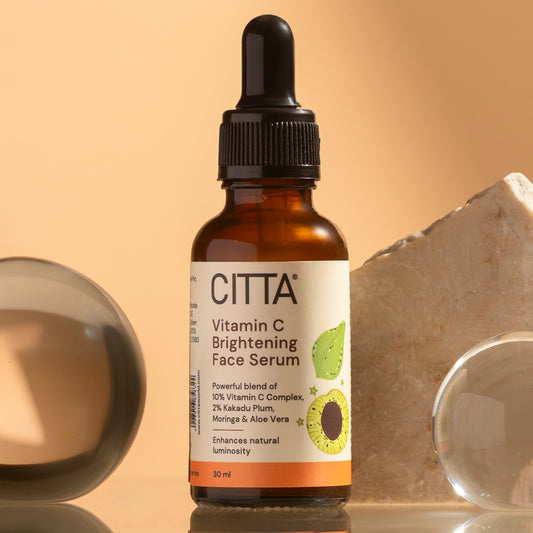
Regular price Rs. 849Regular priceUnit price perRs. 0Sale price Rs. 84912% Vitamin C Serum | With Hyaluronic Acid for Brightening & Pigmentation
Triple brightening / Boosts collagen / Evens skin
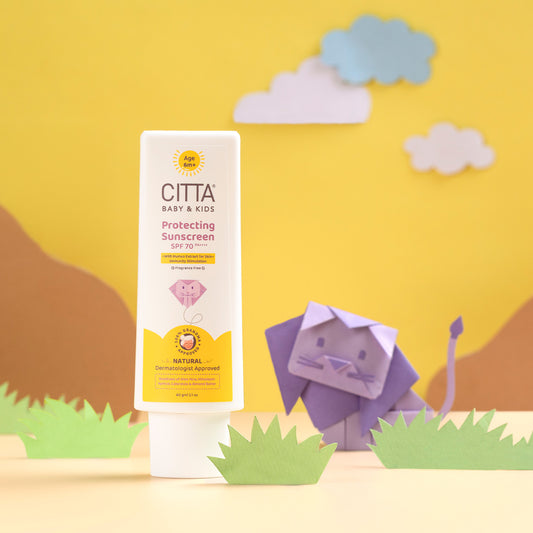
Regular price Rs. 549Regular priceUnit price perRs. 0Sale price Rs. 549SPF 70 PA++++ Sunscreen Lotion for Babies & Kids
Protects against UVA & UVB rays | Prevents sunburns | Intensely moisturizes | Stimulates skin immunity
Regular price Rs. 849Regular priceUnit price perRs. 849Sale price Rs. 849Skin Care (New Launch)
-
Regenerative Retinol Night Cream with Kumkumadi & Cica | Anti-Aging & Brightening
Reduces lLines, Wrinkles|Firms Skin|Revives Glow
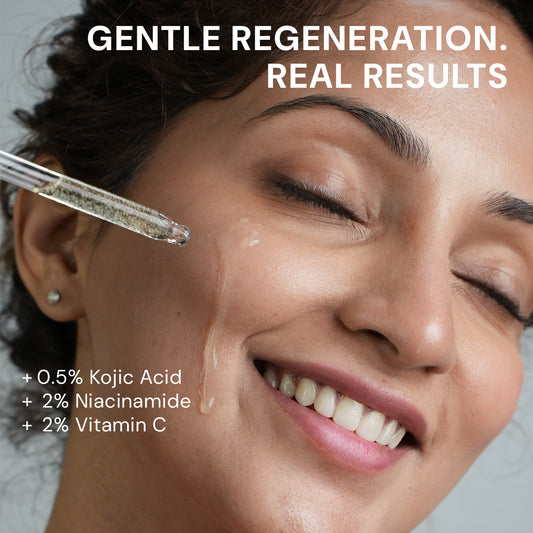
Regular price Rs. 849Regular priceUnit price perRs. 0Sale price Rs. 849Anti Aging Face Serum – With Kojic Acid, Niacinamide & Vitamin C for Glow, Firmness & Youthful Skin
Reduces wrinkles / Firms skin / Revives dullness
Regular price Rs. 549Regular priceUnit price perRs. 0Sale price Rs. 549Ceramides & White Tea Moisturiser | Barrier Repair with 5 Ceramides + Niacinamide
Repair's Skin Barrier | Deep Moisturization | Rich Antioxidant Protection |
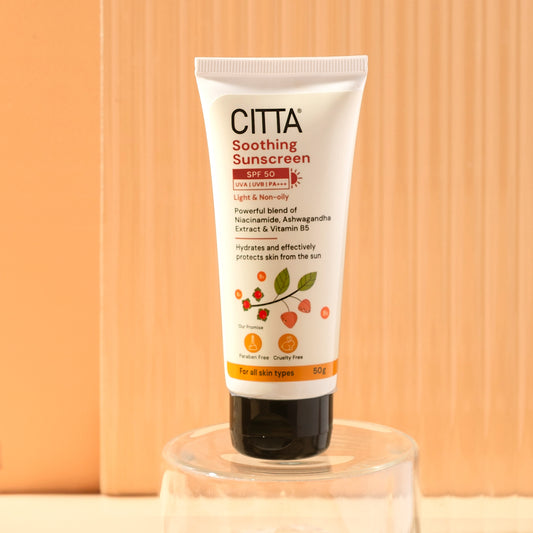
Regular price Rs. 849Regular priceUnit price perRs. 0Sale price Rs. 849Soothing Sunscreen SPF 50 PA+++ | With Niacinamide & Hyaluronic Acid | No White Cast – For Dry and Sensitive Skin
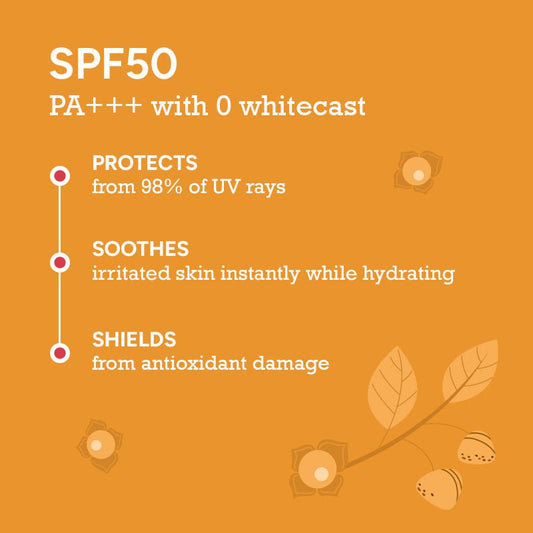
SPF 50 PA+++ | No White Cast | Non-Sticky
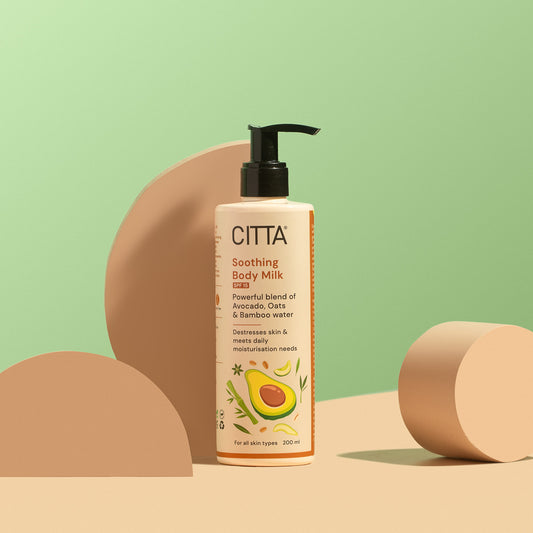
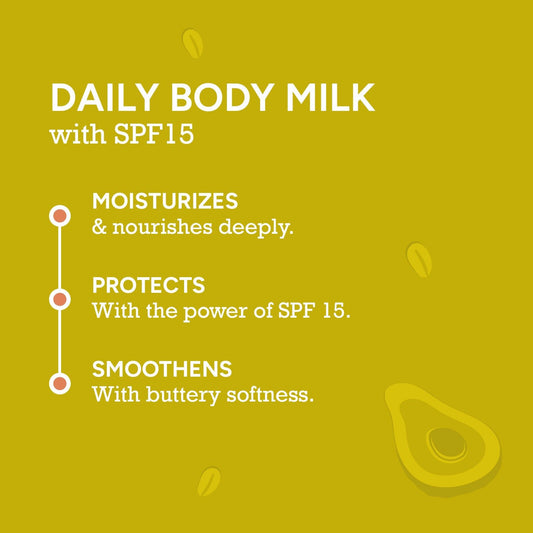
Regular price Rs. 599Regular priceUnit price perRs. 0Sale price Rs. 599Soothing Body Milk with SPF | Lightweight Body Lotion for Summer Hydration
Daily Moisturization | SPF 15 | Smooth & Soft skin
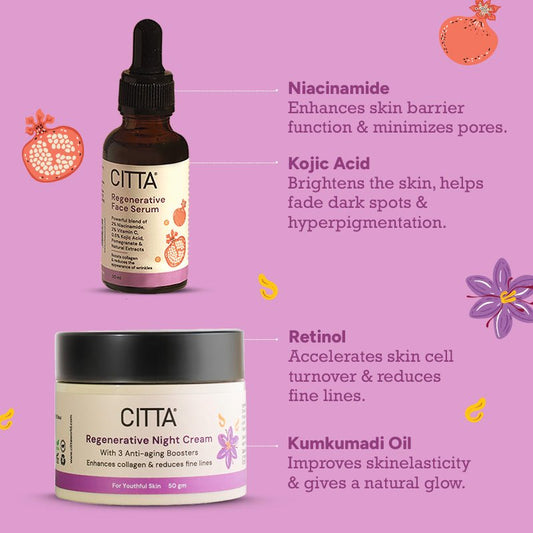
Regular price Rs. 319Regular priceUnit price perRs. 0Sale price Rs. 319CITTA Regenerative Face Serum & Night Cream Combo
Reduces fine lines | Firms skin | Fades dark spots & hyperpigmentation
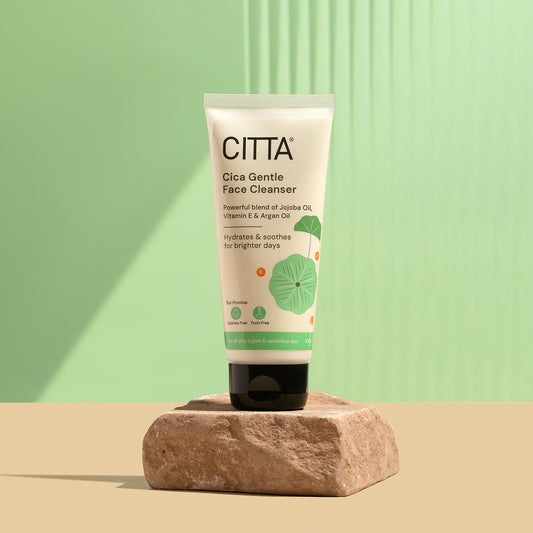
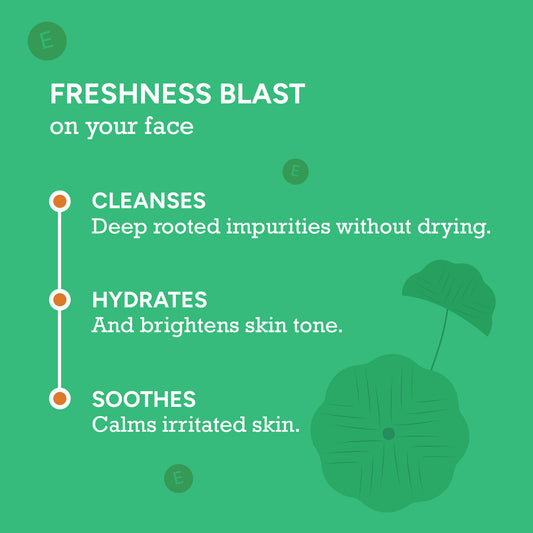
Regular price Rs. 973Regular priceUnit price perRs. 1,298Sale price Rs. 973Gentle Face Wash for Sensitive Skin | Cica Face Cleanser
Gently Cleanses / Brightens, Soothes Skin / Non-drying
Regular price Rs. 459Regular priceUnit price perRs. 0Sale price Rs. 459

Why Choose CITTA?
At CITTA, we’ve got everything your little one’s skin could ever need
And then some!
Safety? Absolutely.
100% transparency? You bet.
Innovative skincare solutions? Of course!
And the best part? Everything we do is rooted in dadi nani ke nuskhe, those time-tested remedies passed down through generations which are tested and approved by dermatologists. read more


Most-Loved Baby Must-Haves!

-
12% Vitamin C Serum | With Hyaluronic Acid for Brightening & Pigmentation
Triple brightening / Boosts collagen / Evens skin
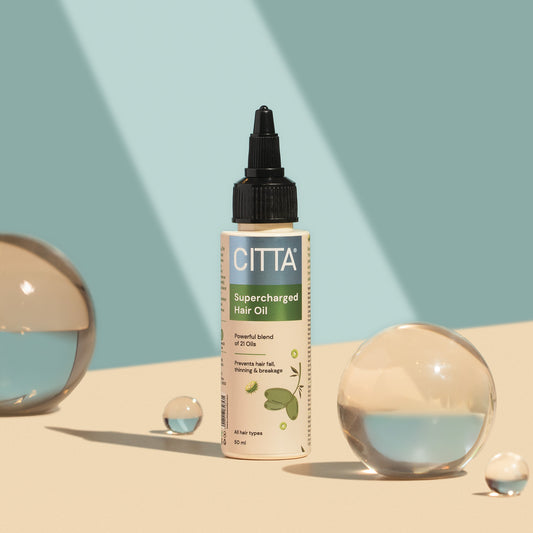
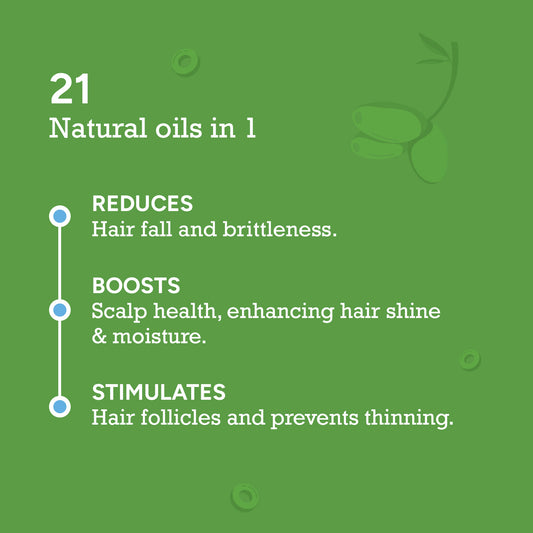
Regular price Rs. 549Regular priceUnit price perRs. 0Sale price Rs. 54921-in-1 Supercharged Hair Oil | Amla, Bhringraj & Olive for Hair Growth & Hair Fall Control – with Scalp Applicator
Strengthens & repairs | Promotes growth | Boosts scalp health
Regular price Rs. 293Regular priceUnit price perRs. 0Sale price Rs. 293Acne Evolution Barrier Face Wash
With Dual Acids (Salicylic + TeraCeutic), Ceramides & Niacinamide
Regular price Rs. 499Regular priceUnit price perAcne Evolution Multi-Action Serum
With Dual Acids (Salicylic + TeraCeutic), Niacinamide, Ceramides, Glutathione
Regular price Rs. 699Regular priceUnit price perWhispers of a Mother’s Heart
"My daughter has been using CITTA since birth, and now there is no going back. The moisturising baby balm has been more than perfect for us. This is a must-have product if your baby has dry skin and rashes."

Smita P.

"To all the moms out there, I would highly recommend this product as it keeps my baby's skin supple and retains moisture, even after the bath. My girl's Paediatrician has also suggested continuing with other CITTA products."

Ananya N.
"It has all the oils like sesame, olive, coconut, almond, etc, I am happy as it helps in nourishment, is non-sticky free from fragrance. Love this.."

Rohini G.
This baby bath set prevents dryness and irritation and cleanse gently. Nice product

Nayan T.
Buzz Worth Talking About


From Our Experts to You
 June 5, 2026
“I was just seven when relatives began giving me skin brightening tips, long before I even understood what fairness meant.”
Read More February 9, 2024
The Delicate Balance of Children's Skin: Why Adult Skincare Isn't Suitable
Read More February 9, 2024
The Delicate Balance of Children's Skin: Why Adult Skincare Isn't Suitable
Read More February 9, 2024
The Delicate Balance of Children's Skin: Why Adult Skincare Isn't Suitable
Read MoreAlso Available at


Parenting Wisdom 101
-

Baby Skin Care Tips Every New Parent Should Know
There’s nothing softer, purer, or more precious than your baby’s skin. But that also means it’s more delicate and vulnerable - to dryness, rashes, and irritation. As new parents, you...
Baby Skin Care Tips Every New Parent Should Know
There’s nothing softer, purer, or more precious than your baby’s skin. But that also means it’s more delicate and vulnerable - to dryness, rashes, and irritation. As new parents, you want to give your baby the gentlest care possible - something safe, effective, and inspired by the wisdom of generations. At CITTA, we believe that baby skincare should be a mindful ritual - rooted in dadi-nani ke nuskhe, yet perfected with modern dermatological science. Here’s your dermatologist-approved guide to understanding, protecting, and nourishing your little one’s skin naturally. 1. Understand Your Baby’s Skin A newborn’s skin is thinner and more sensitive than an adult’s, making it prone to dryness and irritation. Their skin barrier is still developing, so using gentle, chemical-free, and pH-balanced products is essential. CITTA Tip: Choose products that are free from parabens, sulfates, silicones, and synthetic fragrances.Try: CITTA Natural Foaming Baby Wash - made with Coconut Oil, Aloe Vera, and Rice Protein, this gentle cleanser maintains skin’s natural pH while preventing rashes and dryness. 2. Moisturize Daily - The Secret to Rash-Free, Baby-Soft Skin Moisturizing is the most crucial baby skin care step. A rich, oil-based formula helps lock in hydration and strengthen the skin barrier. CITTA Tip: Always apply moisturizer right after bathing to seal in moisture.Try: CITTA Natural Moisturizing Baby Balm - a luxurious blend of 7 natural oils, Shea Butter, and Vitamin E that keeps your baby’s skin soft, rash-free, and nourished all day. 3. Choose the Right Bath Routine Your baby’s skin is delicate and loses moisture quickly. Keep bath time short - around 5 to 10 minutes, and use only lukewarm water. Avoid strong soaps or bubble baths that can dry out the skin. Instead, choose a gentle, pH-balanced baby wash like CITTA Gentle Foaming Baby Wash to cleanse while maintaining your baby’s natural oils. 4. Prevent Diaper Rashes Naturally The diaper area stays warm and moist, making it prone to rashes and irritation. To keep your baby comfortable, change diapers frequently, gently clean the area, allow diaper-free time daily, and apply a soothing, protective cream like CITTA Diaper Rash Cream to prevent redness, dryness, and discomfort while nourishing delicate skin. 5. Protect from Environmental Stressors Dust, pollution, and sun exposure can easily irritate your baby’s sensitive skin. Keep your baby indoors during peak sun hours and always use breathable, cotton clothing. CITTA Tip: For outdoor time, apply a gentle baby-safe sunscreen.Try: CITTA Protecting Baby Sunscreen SPF 70 PA+++, crafted with Zinc Oxide, Aloe Vera, and Shea Butter, it provides safe, non-sticky sun protection for delicate skin. 6. Massage for Healthy Skin & Better Sleep Baby massages are more than just bonding moments, they play a crucial role in improving blood circulation, strengthening muscles, and promoting better sleep. Regular gentle massages with nourishing oils like coconut or almond oil also help keep your baby’s skin soft, supple, and healthy. CITTA Tip: Warm the oil slightly before massage and use gentle, circular motions.Try: CITTA Nourishing Baby Massage Oil - enriched with Coconut, Almond, and Turmeric oils, this traditional blend improves circulation, promotes relaxation, and strengthens the skin’s natural barrier. 7. Keep Your Baby Hydrated (Inside & Out) Even though babies get most of their hydration from milk, their skin needs external hydration support too - especially during dry seasons. Use a natural face mist or moisturizer throughout the day if the skin feels dry. Try: CITTA Hydrating Face Mist with Rose & Aloe Vera - safe for babies and adults alike, this gentle mist instantly refreshes and soothes the skin. 8. Patch Test Every New Product Even natural ingredients can cause reactions if your baby’s skin is sensitive to them. Always do a small patch test on your baby’s inner arm or thigh before applying any new product all over. Because WHY NOT? Give Your Baby the Care They Deserve At CITTA, we’ve got everything your little one’s skin could ever need, and then some!Safety? Absolutely.100% transparency? You bet.Dermatologist-tested and inspired by grandma’s wisdom - that’s the CITTA way. When you choose CITTA, you’re not just choosing skincare; you’re choosing mindful care backed by love, science, and generations of trust. FAQs 1. What are the most important baby skin care tips for newborns? Keep baths short, use mild cleansers, moisturize daily, and protect from harsh sunlight and rashes. 2. Which baby skincare products are best for sensitive skin? Use dermatologist-tested products like CITTA Baby Balm, CITTA Baby Wash, and CITTA Baby Massage Oil - all made from natural, chemical-free ingredients. 3. How often should I bathe my newborn? 3–4 times a week is enough for newborns. Over-bathing can cause dryness. 4. Can I use regular lotion on my baby? No. Baby skin is more delicate, so always use a product specifically formulated for babies, like CITTA Moisturizing Baby Balm. 5. How can I prevent diaper rashes? Keep the area clean and dry, change diapers often, and apply CITTA’s Natural Baby Balm after every change. 6. Are natural or Ayurvedic baby products safe? Yes, as long as they’re dermatologically tested and free from harmful chemicals. CITTA blends Ayurveda with science to ensure safety. 7. Can I use baby products on my own skin? Absolutely! CITTA’s baby range is gentle, nourishing, and perfect for adults with sensitive skin too. 8. When should I start using baby skincare products? You can begin from day one, as long as the products are safe, natural, and dermatologist-approved, like CITTA’s newborn-safe range.
Read More -

Castor Oil vs Coconut Oil for Baby Massage – Wh...
In every Indian household, baby massage is more than just a daily ritual; it’s an age-old tradition rooted in love and wisdom. From dadi-nani ke nuskhe (grandmother’s tips) to modern...
Castor Oil vs Coconut Oil for Baby Massage – Which Is Better?
In every Indian household, baby massage is more than just a daily ritual; it’s an age-old tradition rooted in love and wisdom. From dadi-nani ke nuskhe (grandmother’s tips) to modern dermatologists’ recommendations, parents have always looked for the best oil for newborn massage that keeps their baby’s skin soft, strong, and healthy. Among the many choices, two oils always spark debate: castor oil for baby massage and coconut oil for baby massage. Both are trusted, both are natural, but which one is truly better for your little one? Let’s dive in. Why Baby Massage Matters In India, baby massage is not just skincare; it’s an emotional bonding experience. Traditionally done every morning, it is believed to: Strengthen muscles and bones Improve blood circulation Aid digestion and sleep Nourish and protect delicate skin And of course, the choice of oil makes all the difference. Coconut Oil for Baby Massage Coconut oil is one of the most commonly recommended oils for baby massage, especially in tropical climates. Benefits of Coconut Oil for Baby Massage: Light & Non-Sticky: Quickly absorbed by delicate skin, making it ideal for daily use. Cooling Effect: Naturally soothes the skin, perfect for summers or hot weather. Skin Protection: Its antimicrobial properties help reduce the chances of skin infections. Hair & Scalp Care: Helps reduce dryness and keeps the scalp nourished. Gentle on Sensitive Skin: Less greasy, making it a favorite among parents worldwide. However, coconut oil may not provide enough nourishment in harsh winters when skin tends to get extra dry. Castor Oil for Baby Massage Castor oil has been trusted for generations, especially during winter or when babies have dry skin. Benefits of Castor Oil for Baby Massage: Deep Nourishment: Rich in fatty acids that moisturize deeply. Strengthens Muscles & Bones: A popular choice in traditional massage routines. Soothes Irritation: Known for its anti-inflammatory properties. Hair Growth Support: Helps strengthen roots and promote healthy hair. But unlike coconut oil, castor oil is thicker and stickier, which may feel heavy during hot or humid weather. If you’d like to explore more about castor oil’s skin benefits, check our detailed guide: 5 Surprising Benefits of Using Castor Oil for Baby Skin Care. Castor Oil vs Coconut Oil – The Key Difference When deciding between castor oil and coconut oil for baby massage, the difference lies in texture, climate suitability, absorption, and specific skin needs. Texture: Coconut oil has a light and smooth consistency, making it easy to spread and massage into your baby’s skin without leaving residue. Castor oil, on the other hand, is thicker and denser, giving a richer, more protective layer on the skin. This makes castor oil especially beneficial for babies with dry or flaky skin. Climate Use: Coconut oil naturally provides a cooling effect, which is why it is the go-to choice for hot and humid climates. It keeps the skin fresh and non-sticky even during summer. Castor oil works best in cold or dry climates because its heavier texture helps lock in moisture and prevent the skin from drying out in the winter months. Absorption: Coconut oil is known for its fast absorption, quickly sinking into the skin without greasiness. This makes it ideal for daily massages, even if you’re short on time. Castor oil, however, takes longer to absorb, but in return, it offers deep moisturization that lasts longer, creating a protective barrier against dryness. Skin Concerns: Coconut oil is more suited for normal to sensitive skin types, thanks to its gentle, soothing, and antimicrobial nature. Castor oil is best for babies with very dry, rough, or flaky patches, as it delivers intense hydration and helps calm irritation. In short: Choose coconut oil if you want a lightweight, cooling, and quick-absorbing option for everyday massage, especially in warmer weather. Choose castor oil if your baby needs deep nourishment, extra hydration, or lives in a colder, drier region. A Thoughtful Alternative – Why Choose One When You Can Have Both? Instead of choosing between the two, many parents prefer a balanced oil that combines the goodness of castor oil, coconut oil, and other natural oils. That’s exactly what you get with CITTA Natural Nourishing Baby Massage Oil. Why Parents Love CITTA: 12 Oils in 1 Blend – Includes Castor oil, Coconut oil, Almond, Sesame, Olive, Sunflower, Ashwagandha, Turmeric, Basil, Brahmi, Cinnamon & Camphor oils. Lightweight yet Nourishing – Absorbs easily without feeling sticky. Season-Friendly – Works equally well in summer and winter. Safe for Babies – Dermatologist-tested, toxin-free, cruelty-free, and allergen-free. Multi-Purpose – Can be used on both skin and hair. With CITTA, you don’t have to worry about choosing; you give your baby the balanced nourishment of both oils in one safe, modern, and effective formula. Add to cart Conclusion When it comes to castor oil vs coconut oil for baby massage, there’s no one-size-fits-all answer. Both are treasures of Indian tradition, each offering unique benefits. But for today’s parents who want safety, nourishment, and convenience in one, CITTA Baby Massage Oil brings the perfect solution, a thoughtful blend of 12 natural oils, inspired by dadi-nani’s nuskhe, designed for modern parenting. Because when it comes to your baby’s skin, why settle for one when you can have it all? FAQs 1. Which is better for newborn massage, coconut oil or castor oil? Coconut oil is lighter, making it more suitable for newborns. Castor oil can be used occasionally in winter for extra nourishment. 2. Can I mix castor oil and coconut oil at home? Yes, but getting the right balance and purity can be tricky. A pre-formulated blend like CITTA Baby Massage Oil ensures safety and consistency. 3. Is coconut oil enough for dry baby skin? It works for mild dryness, but for very dry skin, castor oil or a multi-oil blend is better. 4. Can castor oil be used in summer? It’s safe but may feel heavy on your baby’s skin in hot weather. Coconut oil or a lightweight blend is preferable. 5. What’s the best oil overall for baby massage? A dermatologist-approved blend that combines coconut, castor, and other nourishing oils, like CITTA Natural Nourishing Baby Massage Oil, offers complete care.
Read More -

Natural Moisturizer for Baby Dry Skin: What Eve...
As parents, we understand how delicate and soft our baby’s skin is. However, it is also more likely to experience dryness, flakiness, and irritation, especially during seasonal changes, frequent baths,...
Natural Moisturizer for Baby Dry Skin: What Every Parent Should Know Before Buying
As parents, we understand how delicate and soft our baby’s skin is. However, it is also more likely to experience dryness, flakiness, and irritation, especially during seasonal changes, frequent baths, or exposure to pollution. Finding the best natural moisturizer for a baby's dry skin is not just about skincare; it is about protecting their health and comfort. With so many options available, how do you choose the right natural moisturizer for your baby's dry skin? Let’s break it down for you with everything you need to know before making that purchase. Why Does Your Baby’s Skin Need a Natural Moisturizer? Unlike adult skin, your baby’s skin is up to 30% thinner and far more delicate. This means it loses moisture at a much faster rate and doesn’t have the same natural oils or resilience to protect itself from the environment. That’s why even small changes, like a slightly cooler bath, exposure to wind, or spending a few hours in air-conditioning, can leave their skin feeling dry, itchy, or irritated. A good baby moisturizer plays a crucial role in daily care: Restores lost hydration after baths: Bathing often strips away natural oils. A moisturizer helps replenish this lost hydration and prevents the skin from drying out. Strengthens the skin’s natural barrier: Babies are still developing their protective skin barrier. Moisturizers enriched with natural butters and oils create a shield against external irritants. Prevents flakiness, rough patches, and redness: Without moisture, baby skin can quickly become rough or patchy. Regular moisturization helps keep it smooth and irritation-free. Keeps skin soft, supple, and healthy all day long: Hydrated skin is not only comfortable but also better protected against rashes, eczema, or environmental triggers like pollution and seasonal dryness. This is why choosing a natural moisturizer for a baby's dry skin is so important. Unlike chemical-heavy products, natural formulations are gentle, toxin-free, and safe for everyday use, ensuring that nothing harsh touches your baby’s sensitive skin. Discover CITTA’s Moisturizing Baby Balm - enriched with nourishing natural butters and oils, designed especially to protect and comfort delicate baby skin. Key Ingredients to Look For in the Best Natural Moisturizer for Baby Dry Skin When selecting a moisturizer for kids, ingredients matter more than fancy packaging. Look for: Shea Butter & Cocoa Butter: Deeply hydrating natural butters that keep skin soft. Coconut Oil & Sunflower Oil: Gentle oils that restore skin moisture without greasiness. Oat Kernel Extract: Soothes irritation and calms redness. Chamomile: Known for its anti-inflammatory and healing properties. Vitamin E: Helps protect delicate skin from dryness and oxidative stress. These ingredients make a baby balm not only nourishing but also safe for daily use. Why CITTA’s Moisturizing Baby Balm is the Best Choice At CITTA, we believe baby skincare should be safe, effective, and rooted in dadi-nani ke nuskhe blended with modern science. Our Moisturizing Baby Balm is specially formulated to be the best baby moisturizer for dry skin. What makes it unique? Natural & toxin-free: Free from parabens, silicones, and harsh chemicals. Dermatologist-tested & safe: Suitable for newborns, toddlers, and kids up to 10 years. Deep hydration: Works as a moisturizing balm that keeps skin nourished all day long. Multi-purpose use: Perfect for face, hands, knees, and any dry patches. This gentle yet effective moisturizer for kids ensures your baby’s skin stays soft, happy, and protected every single day. Add to cart How to Use a Natural Moisturizer for Baby Dry Skin After Bath: Apply the baby moisturizer immediately after drying the skin to lock in moisture. Before Bedtime: Massage gently with the moisturizing balm to keep skin nourished overnight. Focus on Dry Areas: Pay extra attention to elbows, knees, and cheeks that dry out faster. Daily Use: Consistency is key to preventing dryness. Final Thoughts Choosing the best natural moisturizer for a baby's dry skin doesn’t have to be hard. Look for products that are safe, natural, dermatologist-tested, and made for delicate skin. With CITTA’s Baby Balm, you get the perfect mix of tradition and science, crafted to keep your little one’s skin soft, hydrated, and healthy. Try CITTA Moisturizing Baby Balm today and give your baby’s skin the gentle care it deserves. FAQs 1. Can I use a natural moisturizer for my newborn’s dry skin? Yes, a safe and dermatologist-tested baby moisturizer can be used even on newborns. Always choose a formula free from harsh chemicals and artificial fragrances. 2. How often should I apply moisturizer to my baby? At least twice a day, once after a bath and once before bedtime. You can reapply on very dry patches whenever needed. 3. What is better for the baby's skin, lotion or moisturizing balm? A moisturizing balm is thicker and more nourishing, making it ideal for dry skin. Lotions are lighter but may not be enough for persistent dryness. 4. Can I use adult moisturizers on my baby? No. Adult products often contain strong fragrances and harsh ingredients that can irritate delicate baby skin. Always opt for a specially formulated moisturizer for kids. 5. What makes CITTA’s Baby Balm different from other baby moisturizers? Our CITTA Baby Balm combines grandma’s wisdom with modern dermatology, offering safe, toxin-free, and effective hydration for dry, sensitive skin.
Read More
Glow Guide: Expert Tips & Insights
-

Can Ceramides Cause Acne? Debunking the Most Co...
Before we start busting any myths, let's get a clear understanding of the relationship between ceramides and acne. Do Ceramides Cause Acne? No, ceramides do not cause acne. As to...
Can Ceramides Cause Acne? Debunking the Most Common Skincare Myth
Before we start busting any myths, let's get a clear understanding of the relationship between ceramides and acne. Do Ceramides Cause Acne? No, ceramides do not cause acne. As to why that myth exists in the first place, it usually comes down to one thing. But before we get into that, let us refresh your memory on what ceramides are and why they matter. Ceramides are the essential lipids your skin produces on its own. They make up nearly half of the outermost layer of your skin, called the stratum corneum. Picture your skin cells as bricks. Ceramides are the mortar holding those bricks together and sealing everything in place. When that mortar wears thin, your barrier weakens, which causes symptoms like breakouts, redness, and irritation. A 2023 review published in the Journal of Cosmetic Dermatology, led by dermatologist Dr. Lawrence Schachner along with Dr. Anneke Andriessen, looked specifically at the connection between skin barrier health and acne. They found that barrier dysfunction is directly linked to acne, and that adding ceramide-containing skincare to acne treatment not only supports the skin barrier but also calms irritation. Separately, research has also found that people with acne often have lower ceramide levels in their skin than people with clear skin. The reason people think ceramides cause acne comes down to formulation, not the ingredient itself. Some ceramide moisturizers are made as thick, heavy creams loaded with pore-clogging oils or occlusives, and those can cause breakouts regardless of the ceramides inside them. The fix is not avoiding ceramides. It is choosing a lightweight, non-comedogenic formula instead of a heavy one. Also Read: What Are Ceramides? The Unsung Heroes of Healthy Skin (Dermatologist-Approved Guide) What Ceramides Actually Do Your skin barrier is your first line of defense against pollution, weather, and everything your day throws your way. Ceramides help that barrier hold on to moisture and keep irritants out. When the barrier is compromised, whether from over-exfoliating, harsh actives, or plain stress and lack of sleep, skin tends to overcompensate by producing more oil. That excess oil is what triggers a breakout. Now, let's clear up the internet's most common ceramide myths, one by one. Can I Use Ceramide If I Have Acne? Yes. Ceramides are safe for acne-prone skin and are commonly recommended alongside acne treatment. Acne treatments like retinoids and benzoyl peroxide are effective, but they are also known for leaving skin dry, flaky, and irritated. A ceramide moisturizer helps calm that irritation so you can stay consistent with your treatment instead of quitting halfway. When buying a ceramide moisturizer for acne-prone skin, check the formulation first. One labeled non-comedogenic and lightweight can repair your barrier while hydrating your skin without clogging your pores. Add to cart Also Read: Ceramide Moisturizer vs Regular Moisturizer: Which One Does Your Skin Really Need? Is Hyaluronic Acid or Ceramide Better for Acne? Comparing ceramides and hyaluronic acid is unfair, since both do different jobs. Hyaluronic acid is a humectant, it draws water into your skin. Ceramides rebuild your skin's protective barrier and lock that moisture in so it does not evaporate. For acne-prone skin, using a product with both works better than relying on either one alone. Can Oily Skin Use Ceramide? Yes, oily skin can and should use ceramides. This is where the biggest misconception lives. A lot of people assume oily and acne-prone skin should skip moisturizer entirely, let alone one with "extra" ingredients like ceramides. It is actually the opposite. When your skin is dehydrated, it actually produces more sebum to compensate, resulting in oily-looking skin. Ceramide moisturizers for oily skin work by keeping the barrier properly hydrated, so your skin does not feel the need to overproduce oil in the first place. Lightweight, gel-based ceramide formulas work especially well for oily, combination, and acne-prone skin because they hydrate without adding a heavy, greasy layer on top. Which Moisturizer Is Best for Acne-Prone Skin? If you are comparing options, here is what actually matters: Oil-free base: An oil-free acne moisturizer will not sit on your skin adding extra shine or clogging pores that are already prone to breakouts. Non-comedogenic formulation: This should be non-negotiable, not a nice-to-have. Barrier-supporting ingredients: Your skin barrier is naturally made of ceramides, cholesterol, and fatty acids in roughly equal parts, so a moisturizer that restocks all three works better than one relying on ceramides alone. Lightweight texture: A gel-cream texture absorbs faster than an occlusive-heavy moisturizer, so you are less likely to skip moisturizer altogether on hot, humid days. If your current moisturizer checks two of these boxes but not the other two, that is usually the gap worth fixing, not a sign to cut moisturizer out of your routine. What CITTA Recommends Not every ceramide moisturizer for acne-prone skin is built the same. A good one pairs ceramides with ingredients that actively support acne-prone skin instead of just sitting alongside it. Hyaluronic Acid adds deep hydration, which helps with oil regulation for oily, acne-prone skin. A gel-cream base keeps things breathable instead of heavy. Just like CITTA's Ceramides & White Tea Moisturizer, a barrier-repair formula with a 5 Ceramides Complex, paired with antioxidant-rich white tea extracts, and Aquaxyl for intense hydration, in a gel-cream texture light enough for India's heat and humidity instead of a heavy cream that clogs your pores all day. The Actual Takeaway Ceramides are not the ingredient causing your breakouts. They are one of the few ingredients your skin actively needs to repair a damaged barrier, one that is already dealing with enough: actives, weather changes, stress, inconsistent sleep, aging, and more. The real question is not whether you are using a ceramide moisturizer. It is whether the one you are using is formulated with your skin type and the environment you live in in mind. Also Read: Is Ceramide Good for Oily Skin? Here's What Dermatologists Actually Recommend FAQs Do ceramides cause purging or initial breakouts? No. Ceramides just support your barrier. If you face a breakout after starting a ceramide moisturizer, it's more likely a reaction to another ingredient in the formula, or your skin adjusting to the product. How long does a ceramide moisturizer take to show results on acne-prone skin? Most people notice less irritation and redness within two to four weeks. Deeper barrier repair and texture improvement typically take six to eight weeks of consistent use. Can I use a ceramide moisturizer every day, morning and night? Yes, you can use a lightweight and non-comedogenic ceramide moisturizer twice a day. Using CITTA's Ceramides & White Tea Moisturizer twice a day can support your barrier throughout the day. Do ceramides help fade acne scars or post-acne marks? Ceramides help repair the skin barrier faster, which can help skin heal more efficiently after a breakout and calm the inflammation that can make post-acne marks linger longer. Can ceramides be used with salicylic acid or benzoyl peroxide? Yes, using ceramides with salicylic acid or benzoyl peroxide is one of the most useful combinations for acne-prone skin. These actives are effective but can cause dryness. Adding ceramides offsets that dryness so you can stay consistent with treatment. Also Read: Best Ceramide Moisturizer in India: What to Look for Before You Buy
Read More -

Ceramides vs Retinol: Which One Should You Use ...
Are you also visiting your cart again and again, debating whether to buy a retinol cream or ceramide moisturizer first? Us too! More than once. It's also a question we...
Ceramides vs Retinol: Which One Should You Use First?
Are you also visiting your cart again and again, debating whether to buy a retinol cream or ceramide moisturizer first? Us too! More than once. It's also a question we see quite frequently on Google searches: Ceramides vs retinol, when to use ceramide moisturizer, or how to start retinol? Before we answer your question: “Can I use a ceramide with retinol?” Let’s understand what they do in simple language. First, let's get the basics right. Retinol is a form of vitamin A that speeds up cell turnover. It is the ingredient you should reach for when looking for smoother texture, fewer fine lines, and clearer skin over time. It works, but it disrupts your skin a little in the process, which is exactly why so many people quit it in week two. Ceramides are lipids your skin already makes on its own. They sit in the outer layer of your skin and hold your skin cells together like mortar between bricks. They are not flashy. They do not promise glass skin in ten days. But they make up a huge part of what keeps your skin barrier intact, so it can hold on to moisture and keep irritants out. So "ceramide vs retinol, which is better" is not really the right question. You need both. Now let’s look into how to include both in your skincare routine. Also Read: What Are Ceramides? The Unsung Heroes of Healthy Skin (Dermatologist-Approved Guide) Why your skin barrier matters more than you think Here is what nobody tells you before you start retinol: the dryness, the flaking, the tightness that shows up around day 5 or 6 is not your skin "purging." It is your skin barrier getting stressed. Retinol speeds up cell turnover, and that process temporarily disrupts the lipid layer that keeps water in and everything else out. Skin barrier repair is not an optional add-on when you use retinol. It is the whole game. This is where ceramide moisturizer earns its place. Ceramides offset the dryness that comes with retinol and help rebuild the lipid layer while retinol does the more disruptive part of its job. In short, Retinol renews your skin while Ceramides repair it. So, can I use a ceramide with retinol? Yes. Mixing these targets different concerns of your skin while boosting collagen. Ceramides do not cancel out retinol or dilute its results. They make the process less painful for your skin while retinol does its thing. Studies show that combining exfoliants with ceramides reduces irritation and increases efficacy. Also Read: Is Ceramide Good for Oily Skin? Here's What Dermatologists Actually Recommend How to use ceramide with retinol Nighttime routine: Cleanse with a gentle cleanser. Skip anything foaming or stripping on retinol nights. Let your skin dry completely before applying retinol. Damp skin absorbs it faster and irritates it more. Apply 2 to 3 drops of your retinol serum. Start 2 to 3 nights a week if you are new to it, not every night. Wait 20 to 30 minutes, then follow with a ceramide moisturizer to lock everything in. If your skin is sensitive, flip it. Apply a thin layer of ceramide moisturizer first, then retinol, and then seal it with ceramide moisturizer again. This is the sandwich method, and it takes the edge off without diluting your results. Morning routine: This is where most ceramide moisturizers become a problem. Ceramides are heavy by nature, which is exactly why they work so well at night. Still, that same richness is what makes most barrier repair creams too thick for the morning, especially in Indian humidity, no matter your skin type. So switch back to your regular, lighter moisturizer in the morning, and you must apply sunscreen the next day, as retinol makes your skin sun-sensitive. While this combination is suitable for many, those with eczema-prone or sensitive skin may experience a sting. You should do a patch test before committing to the routine. Also, since retinol speeds up your skin cell turnover time, you must start with a ceramide moisturizer for skin barrier repair before introducing retinol. CITTA Recommendation Most ceramide moisturizers in the market are thick because ceramides themselves are heavy actives, which is why it is recommended to use them at night. CITTA's Ceramides & White Tea Moisturizer is a gel-cream formulation, so it carries the same 5 Ceramide Complex along with patented Aquaxyl, giving you intense moisturization without the greasy feeling on your skin. It is one of the few ceramide moisturizers suitable for all skin types and can be used twice a day, helping your skin repair its barrier without worrying about it clogging your pores. You get both deep hydration & intense repair twice a day. Conclusion Your anti-aging skincare routine should not mean choosing between actives that work and a texture you can actually wear. CITTA was built on that idea: modern formulations made the way Indian skin and Indian weather actually need them. Skincare does not need to be complicated to work. Sometimes it just needs the right order, and a formula that keeps up with you all day long. Also Read: Ceramide Moisturizer vs Regular Moisturizer: Which One Does Your Skin Really Need? FAQs 1. Which comes first, ceramide or retinol? Apply retinol first on clean, dry skin, then ceramide moisturizer on top to seal it in. If your skin is sensitive, flip it and sandwich the retinol between two thin layers of ceramide. 2. Can I use ceramides before retinol? Yes, and honestly it's a smart move if you're new to actives. Give your barrier a week or two of just ceramide moisturizer first, so retinol doesn't harm your skin barrier as much as it would without a ceramide moisturizer. 3. How to layer ceramide and retinol? Apply 2-3 drops of retinol after face wash, wait 20-30 minutes, then apply ceramide moisturizer to lock it in. In the morning, do not use retinol, go with a lightweight moisturizer as per your skin type, and use sunscreen. 4. Does ceramide lighten skin? No, ceramide does not lighten your skin. It repairs your barrier and helps with transepidermal water loss, locking in moisture. Your skin looks radiant because of its healthy, repaired barrier. Also Read: Ceramide Moisturizer Benefits: Why Your Skin Barrier Can’t Survive Without It
Read More -

Is Ceramide Good for Oily Skin? Here's What Der...
Ask anyone with oily skin what they avoid in a moisturizer, and "ceramide" doesn't usually make the list, mostly because the whole category sounds suspiciously rich. Oils, butters, thick creams-...
Is Ceramide Good for Oily Skin? Here's What Dermatologists Actually Recommend
Ask anyone with oily skin what they avoid in a moisturizer, and "ceramide" doesn't usually make the list, mostly because the whole category sounds suspiciously rich. Oils, butters, thick creams- all of it gets filed under "will break me out" pretty fast. So now when ceramides have started showing up everywhere, in serums, in moisturizers, in every second skincare reel about barrier repair, the obvious question is whether this ingredient actually works for oily skin, or whether it's just another trend built for someone else's face. Turns out, dermatologists have a fairly settled answer: yes. But the reasoning behind it is more useful than the answer itself, because it explains something most oily skin routines get backwards. What Ceramides Actually Do Ceramides are lipids that live in the outermost layer of skin. Along with cholesterol and fatty acids, they make up what's called the skin barrier. By weight, ceramides account for roughly half of that lipid layer, cholesterol makes up about a quarter, and fatty acids fill in the rest, which is part of why losing even a small share of them throws the whole structure off. That barrier does more work than most people give it credit for: Slows down water loss, a process dermatologists call transepidermal water loss, or TEWL Keeps bacteria, pollutants, and irritants from getting in Keeps skin's pH steady, which plays into keeping inflammation in check When this barrier is working properly, skin holds onto moisture without needing much help. Damage it, through over-cleansing, harsh actives, weather, just getting older, and water escapes faster than it should. Oily skin reacts to that the same way any skin does. It makes more sebum to cover the gap. Here's the part that rarely gets mentioned: a damaged barrier doesn't only show up as dryness. On oily skin, it often just looks like more oil. Which is confusing, because the instinct is to strip that oil away, not add anything that sounds like a moisturizer. Also Read: What Are Ceramides? The Unsung Heroes of Healthy Skin (Dermatologist-Approved Guide) Ceramides for Oily Skin: Why It's Not a Contradiction So does oily skin actually need ceramides? Given how often oily skin also has a damaged barrier, usually from exfoliating acids, acne treatments, or cleansers strong enough to strip everything, including the good stuff, the answer leans yes more often than people expect. There's research behind this, not just theory. Dermatologist Joshua Zeichner has pointed out that acne-prone skin tends to run low on linoleic acid, a fatty acid skin needs to build ceramides in the first place, which helps explain why oily, breakout-prone skin often ends up short on them too. A 2023 study in the Journal of Drugs in Dermatology looked at people with oily and combination skin using adapalene and benzoyl peroxide, both known for drying skin out, and found that layering in a ceramide-based routine alongside those treatments improved how well skin tolerated them and how quickly the barrier recovered. Needing hydration and needing oil aren't the same thing, even though oily skin routines often treat them like they are. Ceramides don't add oil. They rebuild the barrier using lipids skin already recognizes, because it already makes them. That's a fairly different job than what a facial oil or heavy cream is doing. There's a knock-on effect too. A stronger barrier means skin doesn't have to overproduce sebum just to protect itself. Some people notice less shine by afternoon, or fewer random breakouts. Not guaranteed, but a pattern dermatologists point to often enough that it's worth paying attention to. Also Read: Dry Skin Even After Moisturizing? Here's Why Your Moisturizer Isn't Working 4 Ceramides Skin Benefits Worth Knowing About Ceramide skin benefits aren't limited to oily skin, though that's usually where people start looking: Barrier support, which cuts down sensitivity to weather shifts, pollution, and product irritation Better water retention, so texture stays smooth without adding grease Faster recovery after retinoids or acids, both known for wearing the barrier down over time Better performance from other actives, niacinamide included, since a repaired barrier tends to absorb things more evenly None of that argues against using ceramides on oily skin. If anything, it argues for it. How to Choose the Right Ceramide Moisturizer for Oily Skin Not every ceramide moisturizer behaves the same way on skin, and the wrong one can feel noticeably heavy if your skin already runs oily. A few things worth checking before buying one. Texture matters most. Go for a gel or lightweight lotion over a thick cream, and save richer textures for nighttime if your skin is really dry. Formula type comes next. Oil-free and non-comedogenic labels are a decent shortcut, since they usually mean the brand tested for clogged pores specifically. "Barrier repair" on the packaging is generally a sign the formula is trying to rebuild the lipid layer, not just sit on top of it. Then there's the ceramide complex itself, and this is where a lot of products cut corners. A single ceramide doesn't do much on its own, since skin's barrier is actually made of several types working together. CITTA's Ceramides & White Tea Moisturizer uses five: Ceramide EOP, NS, NP, AS, and AP, alongside cholesterol, which gets a lot closer to how the barrier is actually built than a one-ingredient formula ever could. Supporting ingredients round things out. Niacinamide for oil balance, lecithin for a smoother finish, antioxidants that calm skin down instead of giving it more to deal with. None of these compete with ceramides; they just give the formula more to do. CITTA leans into this further with white tea, pomegranate, papaya, lemon, and thanaka worked into the same formula, ingredients that have shown up in Indian skincare for a long time, now sitting next to ceramide science. Also Read: Ceramides vs Hyaluronic Acid: Which One Does Your Skin Actually Need? How to Actually Use It If you're using CITTA's ceramide moisturizer as part of an oily skin routine, how you apply it matters almost as much as which one you pick. Damp skin absorbs it better, so apply right after cleansing or a hydrating toner, while skin is still a little wet. A pea-sized amount usually covers the whole face, since lightweight formulas don't need much. If retinol, salicylic acid, or benzoyl peroxide are already part of the routine, apply the ceramide moisturizer after them; it helps offset the dryness those ingredients tend to cause. Twice a day works for most people, morning and night. Barrier repair is slow, which is easy to forget when everything else in skincare promises results overnight. Give it two to four weeks before judging. Most people notice calmer skin first, then a gradual dip in how oily things feel by mid-afternoon. The Bottom Line Is ceramide good for oily skin? Dermatologists have been saying yes for a very long time now, and it's one of the more overlooked pieces of managing oil long-term. Choose a lightweight, non-comedogenic moisturizer that's actually formulated for your skin type, and give it a few weeks before deciding it isn't working. Also Read: Ceramide Moisturizer vs Regular Moisturizer: Which One Does Your Skin Really Need? FAQs 1. Which is better, niacinamide or ceramides? Ceramides and niacinamide work best together. Ceramides help strengthen the skin barrier and lock in moisture, while niacinamide helps improve uneven skin tone, regulate excess oil, and support overall skin health. Together, they help keep your skin hydrated, stronger, and healthier. 2. Is ceramide or hyaluronic acid better for oily skin? Ceramides and hyaluronic acid complement each other. Hyaluronic acid draws moisture into the skin, while ceramides help lock it in by supporting the skin barrier. Together, they provide long-lasting hydration without making oily skin feel greasy. 3. Do ceramides clog pores? Ceramides support a healthy skin barrier and are suitable for all skin types, including oily and acne-prone skin. When used in a lightweight, non-comedogenic formula, they help keep skin hydrated without feeling heavy. 4. What destroys ceramides in the skin? Your skin's natural ceramide levels gradually decline with age. Everyday factors like UV exposure, pollution, harsh cleansers, and over-exfoliation can also reduce ceramide levels over time. Using a ceramide moisturizer helps replenish these essential lipids and support a healthy skin barrier. 5. Do ceramides make you look younger? Ceramides help keep the skin hydrated, smooth, and resilient by supporting the skin barrier. Together, these benefits help reduce the appearance of dryness and dehydration-related fine lines, leaving skin looking plumper and healthier.
Read More
- Choosing a selection results in a full page refresh.
- Opens in a new window.